 Pусский
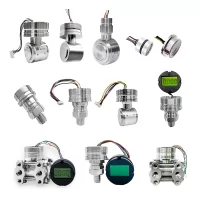
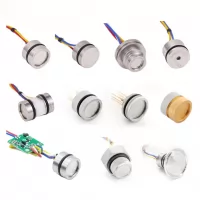
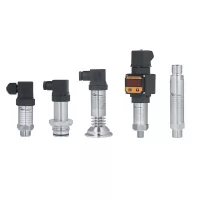
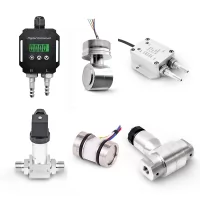
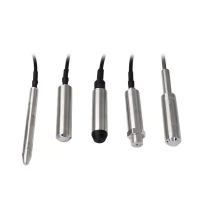
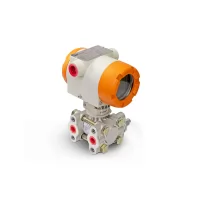
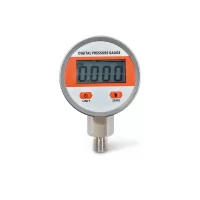
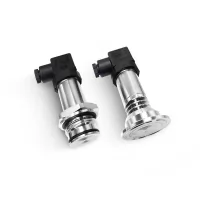
Sensors and Transmitters: Industrial Measurement Fundamentals and Pressure Solutions
From: Issued date 2026.01.14 Back
Sensors and Transmitters: A Complete Guide to Industrial Measurement and Pressure Solutions
In today’s industrial automation systems, sensors and transmitters are essential components for accurate measurement, monitoring, and control. From manufacturing and energy to HVAC, water treatment, and chemical processing, these devices form the backbone of modern industrial measurement solutions.
This article provides a comprehensive introduction to what sensors and transmitters are, how they work, common signal standards, and the most important pressure measurement concepts. Understanding these fundamentals helps engineers, system integrators, and technical decision-makers select and apply the right instrumentation for reliable and efficient operation.
1. What Is a Sensor?
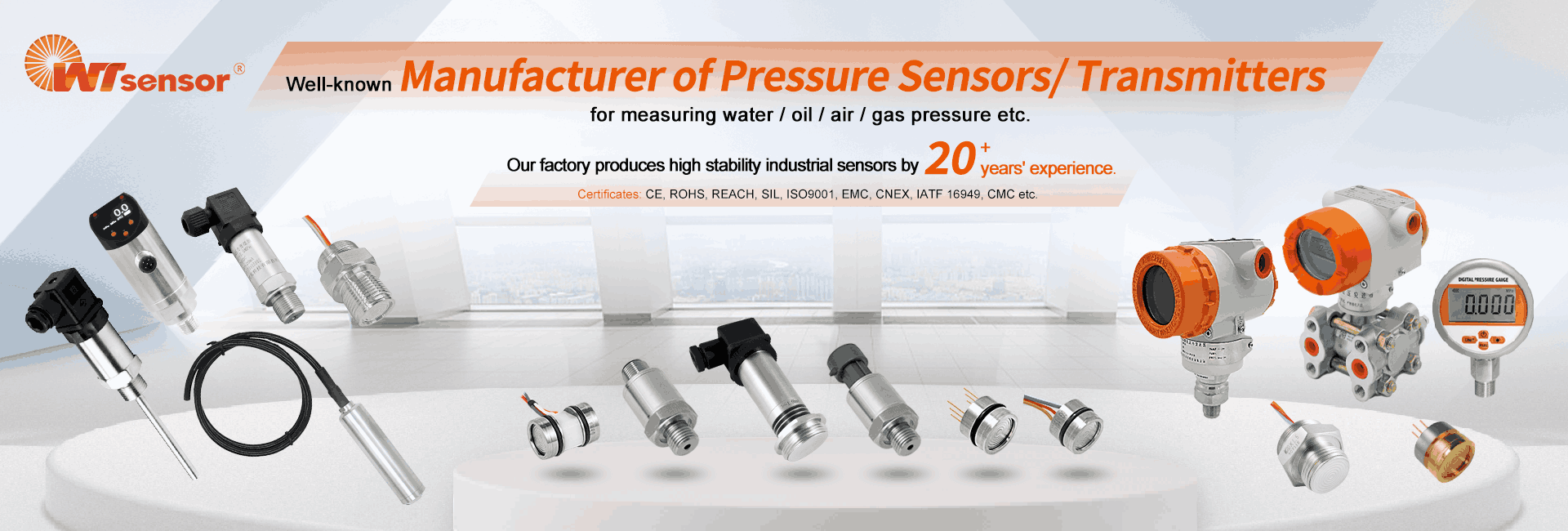
A sensor is a device or instrument that detects a specific physical quantity—also known as a measured variable—and converts it into a usable signal according to a defined rule or mathematical relationship.
Common measured quantities include:
Temperature
Pressure
Flow rate
Liquid level
Humidity
Gas concentration
The core function of a sensor is measurement and conversion. For example, a pressure sensor converts mechanical pressure into an electrical signal. However, this raw output signal is often weak, non-standard, and not suitable for long-distance transmission or direct connection to industrial control systems.
2. What Is a Transmitter?
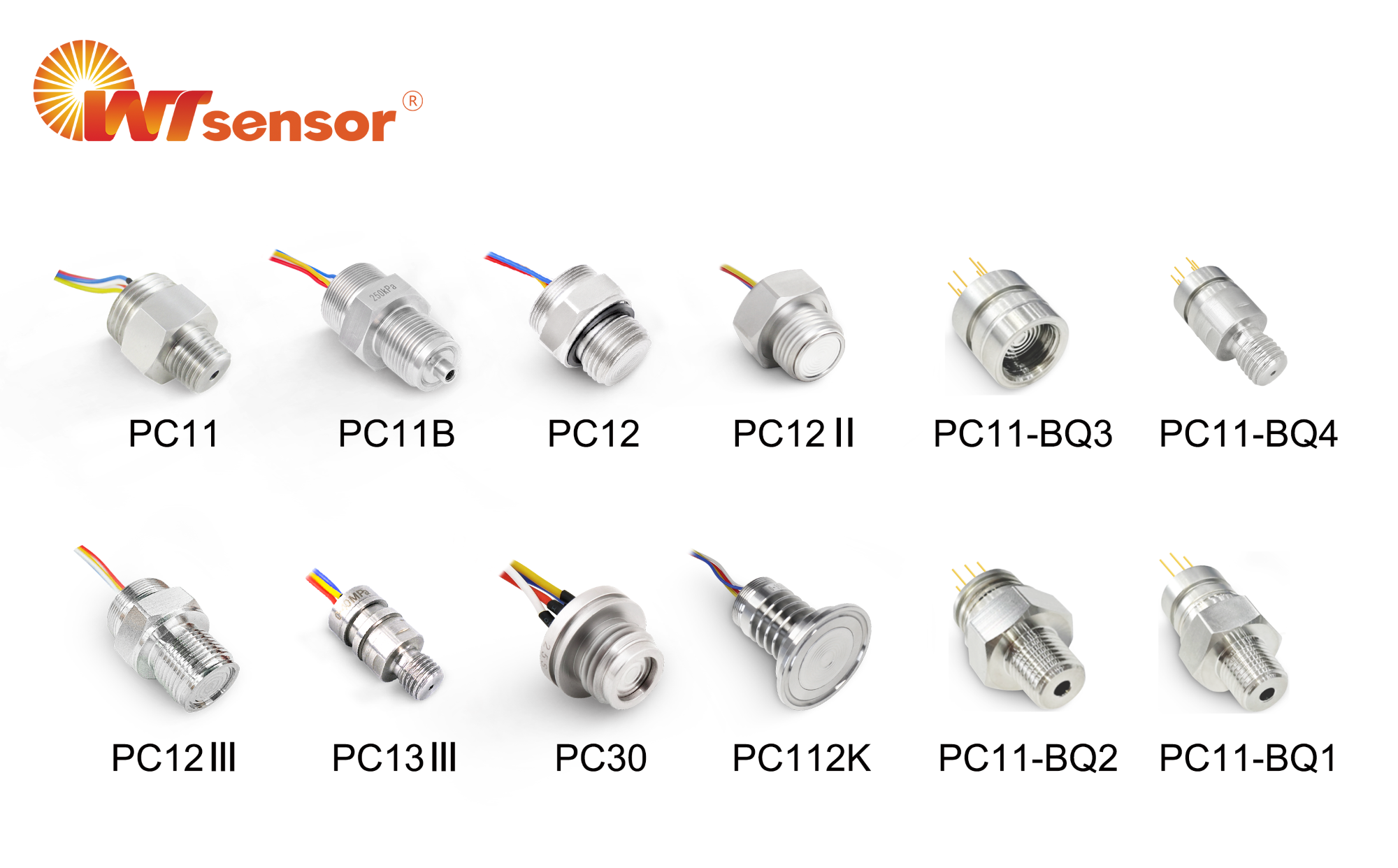
A transmitter is developed based on a sensor. It not only senses the physical quantity but also processes and converts the signal into a standardized output signal.
Simply put:
A transmitter is a sensor that can output a standard industrial signal.
A transmitter integrates multiple functions, including signal amplification, filtering, temperature compensation, and linearization. It ensures that the output signal meets international standards and can be reliably transmitted to PLCs, DCSs, SCADA systems, and data acquisition equipment.
Role of Transmitters in Industrial Automation
In automatic detection and control systems, transmitters play a key role by converting various process parameters—such as pressure, temperature, flow, and level—into unified standard signals. These signals are then sent to controllers, indicators, and recorders for:
Process control
Real-time monitoring
Alarm management
Data logging and analysis
Without transmitters, stable and large-scale industrial automation would not be possible.
3. Standard Signals Used in Industrial Instrumentation
To ensure compatibility and reliability across different systems and manufacturers, industrial instrumentation relies on standardized electrical signals.
Common Standard Signals
In China, the standard electrical signals for DDZ-III instruments include:
4–20 mA DC current signal
1–5 V DC voltage signal
Among these, the 4–20 mA current signal is the most widely used standard in industrial environments worldwide.
Advantages of 4–20 mA Current Signals
Strong resistance to electrical interference
Minimal signal loss over long distances
Easy fault detection (e.g., 0 mA often indicates a loop failure)
Suitable for harsh industrial conditions
Because of these advantages, most industrial pressure transmitters, temperature transmitters, and flow transmitters use 4–20 mA output as the default option.
4. Wired and Wireless Signal Transmission
With the rapid development of communication technology, industrial signals are generally divided into wired signals and wireless signals.
4.1 Wired Signal Transmission
Wired signals remain the most common and reliable choice in industrial applications. Typical wired communication methods include:
Current signals (4–20 mA)
Voltage signals (0–5 V, 1–5 V, 0–10 V)
Digital signals
RS485
RS232
Ethernet
Wired transmission offers high stability, strong anti-interference capability, and predictable performance, making it ideal for fixed installations and critical industrial processes.
4.2 Wireless Signal Transmission
Wireless technology is increasingly used in modern industrial measurement systems, especially where wiring is difficult or costly. Common wireless communication methods include:
4G / LTE
NB-IoT
ZigBee
LoRa
GPRS
Wireless sensors and transmitters are widely used in remote monitoring, distributed systems, smart factories, and IoT-based applications. When combined with cloud platforms, wireless transmission enables real-time data access and intelligent system management.
5. Overview of Pressure Measurement in Industrial Applications
Pressure measurement is one of the most important parameters in industrial instrumentation. Pressure sensors and transmitters are used in pipelines, tanks, compressors, HVAC systems, and many other applications.
To select the correct pressure transmitter, it is essential to understand different types of pressure measurement.
5.1 Atmospheric Pressure
Atmospheric pressure is the pressure exerted by the Earth’s atmosphere due to gravity.
Standard atmospheric pressure: 101.325 kPa (1 atm)
Atmospheric pressure varies with:
Altitude
Latitude
Weather conditions
Atmospheric pressure serves as the reference point for gauge pressure and negative pressure measurements.
5.2 Gauge Pressure (Positive Pressure)
Gauge pressure, also known as positive pressure, is measured relative to atmospheric pressure.
When the measured pressure is higher than atmospheric pressure, it is considered positive gauge pressure.
Gauge pressure is the most commonly used pressure type in industrial applications.
Typical applications include:
Pipeline pressure monitoring
Hydraulic systems
Compressed air systems
Pumps and compressors
A gauge pressure reading of zero indicates that the measured pressure is equal to atmospheric pressure.
5.3 Negative Pressure (Vacuum Pressure)
Negative pressure refers to pressure that is lower than atmospheric pressure, measured relative to atmospheric pressure.
Common applications include:
Vacuum cleaners
Range hoods
Vacuum drying systems
Industrial suction equipment
Negative pressure measurement is often used to evaluate vacuum performance and system efficiency.
5.4 Absolute Pressure
Absolute pressure is measured relative to absolute zero pressure, which represents a perfect vacuum.
Absolute pressure is calculated as:
Absolute pressure = Gauge pressure + Atmospheric pressure
This type of pressure measurement is widely used in:
Vacuum technology
Semiconductor manufacturing
Aerospace and aviation
Scientific and laboratory research
Absolute pressure measurement eliminates the influence of atmospheric pressure changes, ensuring higher accuracy and stability in sensitive applications.
5.5 Differential Pressure
Differential pressure measures the difference between two pressure points rather than referencing atmospheric pressure.
Differential pressure transmitters are commonly used in:
Filter blockage detection
Airflow measurement in HVAC systems
Flow measurement using orifice plates and Venturi tubes
Liquid level measurement in sealed or pressurized tanks
For example, by measuring the pressure difference between the inlet and outlet of a filter, operators can determine the degree of clogging and schedule maintenance in advance.
6. How to Select the Right Sensor and Transmitter
Choosing the correct sensor or transmitter requires a comprehensive evaluation of multiple factors, including:
Measurement range and accuracy
Pressure type (gauge, absolute, or differential)
Output signal (4–20 mA, voltage, digital, wireless)
Environmental conditions (temperature, humidity, vibration)
Installation method and process connection
System compatibility and communication protocol
A professional industrial measurement solution focuses not only on the product itself but also on long-term reliability, system integration, and maintenance efficiency.