 Pусский

Temperature and Humidity Sensors: Industrial Measurement Principles and Environmental Monitoring Solutions
From: Issued date 2026.03.04 Back
1.Introduction
Temperature and humidity are two of the most important environmental and process parameters in modern industry, agriculture, healthcare, and building automation. Accurate measurement of these parameters is essential for ensuring product quality, operational safety, energy efficiency, and regulatory compliance. Temperature and humidity sensors play a critical role in monitoring environmental conditions and providing real-time data for automation and control systems.
With the rapid development of smart manufacturing, environmental monitoring systems, and the Industrial Internet of Things (IIoT), temperature and humidity sensors have evolved into highly integrated and intelligent devices. This article provides a comprehensive technical overview of temperature and humidity sensing technologies, including sensor classification, working principles, measurement characteristics, and professional application solutions.
2.Fundamentals of Temperature Measurement
2.1 Definition of Temperature
Temperature is a physical quantity that indicates the degree of hotness or coldness of an object. It reflects the thermal energy level of molecules within a material and is typically measured in degrees Celsius (°C) or Fahrenheit (°F).
Accurate temperature measurement is critical in many industrial processes because temperature directly affects chemical reaction rates, material properties, and system efficiency.
3. Classification of Temperature Sensors
Temperature sensors can be broadly classified into two main categories based on measurement method:
Contact temperature sensors
Non-contact temperature sensors
They can also be classified based on sensing material and electronic characteristics:
Thermocouples
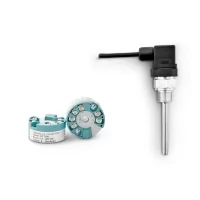
Resistance Temperature Detectors (RTDs)
4. Contact Temperature Sensors
Contact temperature sensors measure temperature by directly contacting the measured medium or surrounding air. Even when measuring air temperature, the sensor must be exposed to airflow to achieve accurate thermal equilibrium.
4.1 Resistance Temperature Detectors (RTDs)
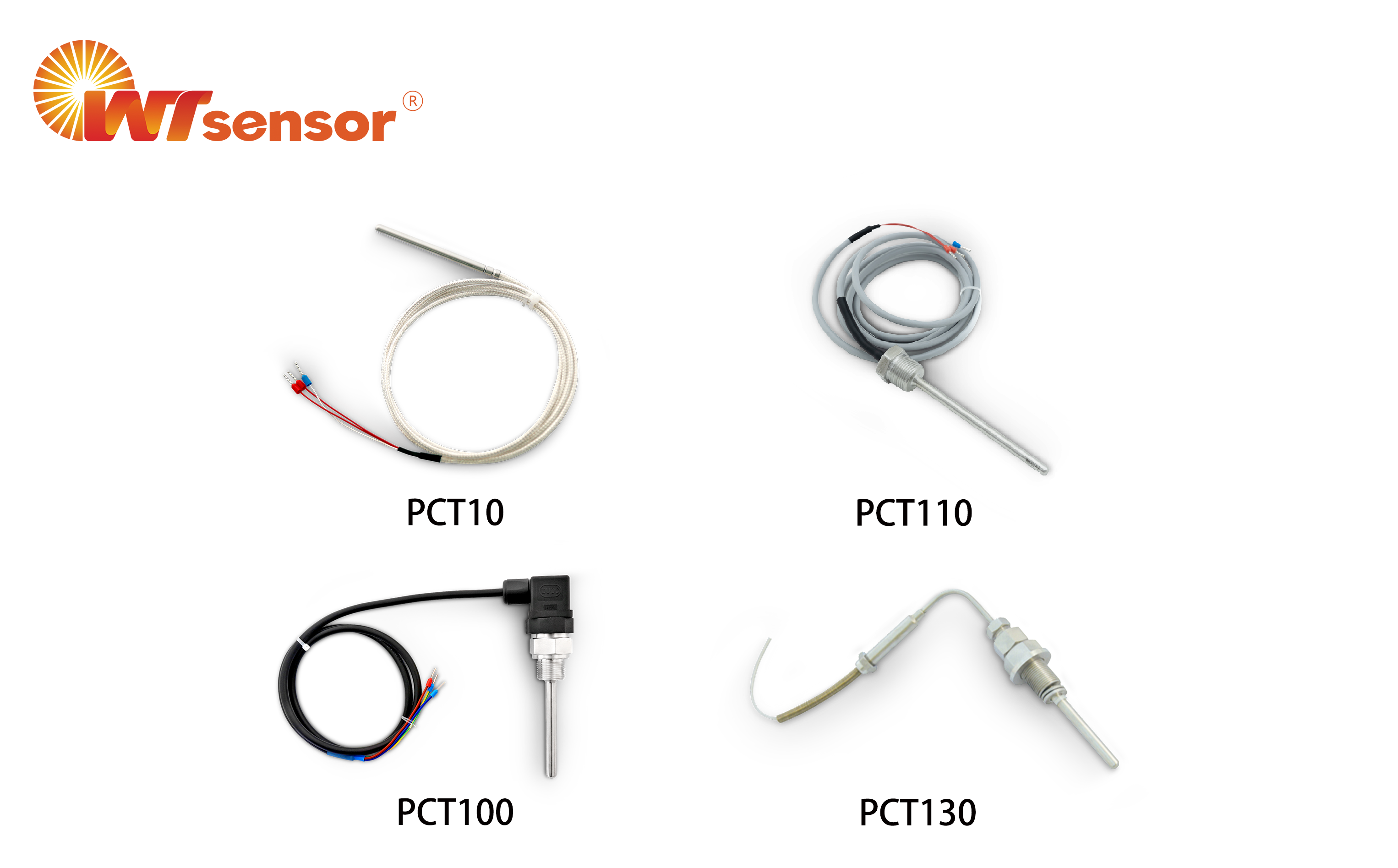
RTDs operate based on the principle that the electrical resistance of conductors or semiconductors changes predictably with temperature. Common RTD materials include platinum (Pt100, Pt1000), nickel, and copper.
Advantages of RTDs include:
High measurement accuracy
Excellent repeatability
Good long-term stability
Wide measurement range for industrial environments
Because of these advantages, RTDs are widely used in industrial process control, HVAC systems, and laboratory measurement systems.
4.2 Thermocouples
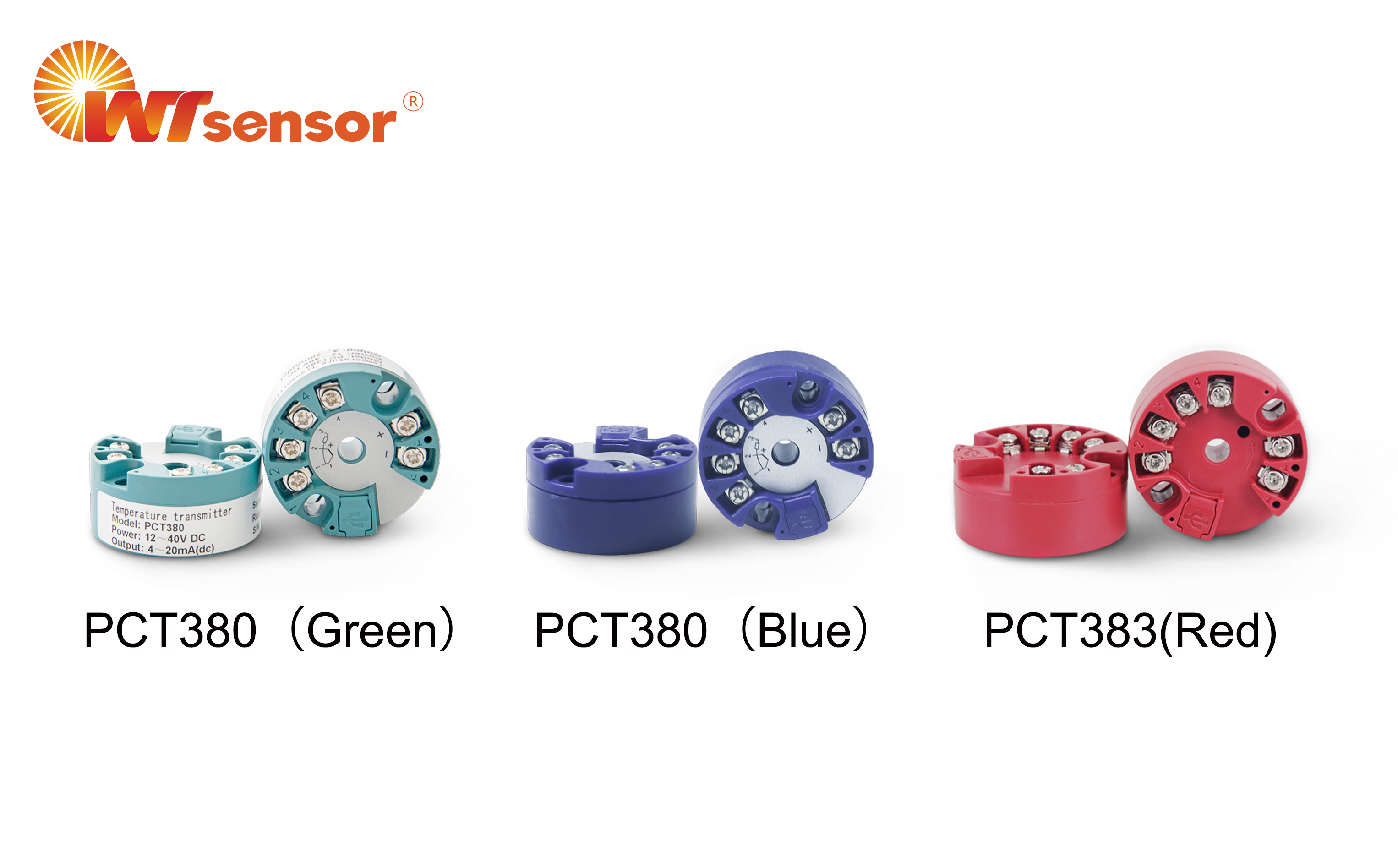
Thermocouples operate based on the Seebeck effect. When two different metal conductors are joined and exposed to a temperature difference, a small voltage is generated.
Characteristics of thermocouples include:
Very wide temperature measurement range
Fast response time
Good durability in harsh environments
However, thermocouples have some limitations:
Lower accuracy at low temperatures
Very small output voltage requiring amplification
Susceptibility to noise interference
Thermocouples are mainly used in high-temperature industrial environments such as furnaces, metal processing, and power generation.
5. Non-Contact Temperature Sensors
Non-contact temperature sensors measure temperature by detecting thermal radiation emitted by objects. Early radiation measurement technologies have largely been replaced by infrared temperature measurement technologies.
5.1 Infrared Temperature Sensors
Infrared thermometers measure the infrared radiation emitted by an object and convert it into temperature readings.
Advantages include:
No physical contact required
Suitable for moving or hazardous objects
Capable of measuring ultra-high temperatures
Radiation-based temperature measurement is particularly suitable for ultra-high temperature environments exceeding 1800°C, where contact sensors would fail due to material limitations.
5.2 Limitations of Non-Contact Sensors
Non-contact sensors can be influenced by several factors:
Surface emissivity of the measured object
Ambient temperature conditions
Measurement wavelength
Dust, steam, or smoke in the measurement path
These factors can introduce measurement errors if not properly compensated.
6. Fundamentals of Humidity Measurement
6.1 Definition of Humidity
Humidity refers to the amount of water vapor present in the air. It directly affects human comfort, material stability, biological growth, and industrial process efficiency.
6.2 Types of Humidity Measurement
Absolute Humidity
Absolute humidity is the mass of water vapor contained in a specific volume of air. It is typically expressed in:
grams per cubic meter (g/m³)
milligrams per liter (mg/L)
Relative Humidity
Relative humidity is expressed as a percentage (%RH). It represents the ratio between the actual water vapor pressure and the saturated water vapor pressure at a given temperature.
Relative humidity can also be understood as the ratio of actual absolute humidity to saturated absolute humidity under the same temperature and pressure conditions.
6.3 Dew Point
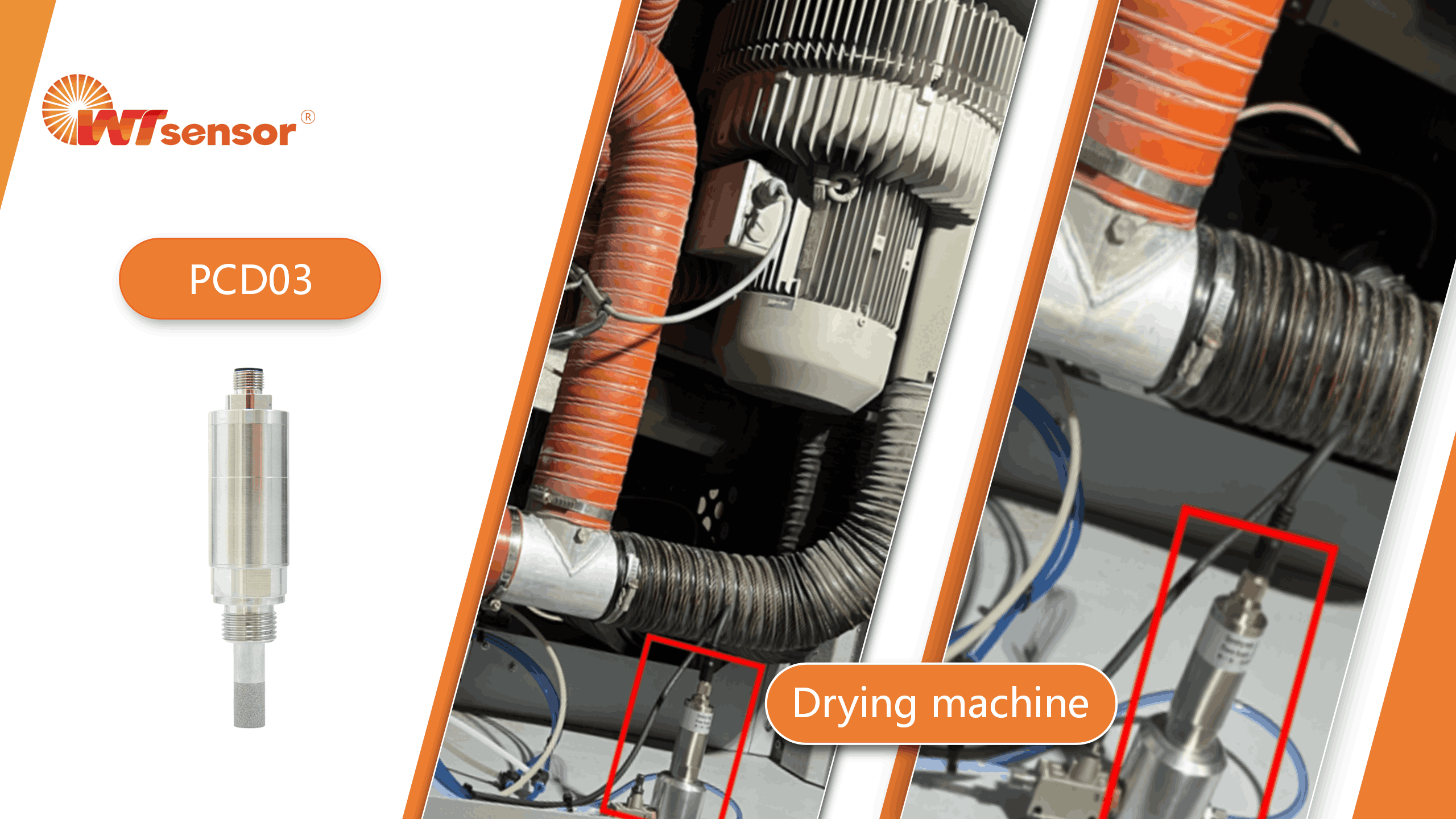
The dew point is the temperature at which air becomes saturated with water vapor at constant pressure. At this temperature, condensation begins to form.
Dew point measurement is critical in applications such as compressed air systems, semiconductor manufacturing, and environmental monitoring.
7. Humidity Sensors: Working Principle
Humidity sensors detect water vapor content in gas and convert it into electrical output signals. Common humidity sensing technologies include:
Capacitive humidity sensors
Resistive humidity sensors
Thermal conductivity humidity sensors
These sensors are typically integrated with temperature sensors to improve measurement accuracy.
8. Industrial Applications of Temperature and Humidity Sensors
Temperature and humidity sensors are widely used across multiple industries:
Medical and Healthcare
Laboratory environmental monitoring
Pharmaceutical storage
Medical device temperature control
Agriculture and Greenhouse Monitoring
Crop growth environment monitoring
Soil and air humidity management
Smart irrigation control
Food Safety and Processing
Cold chain monitoring
Food storage humidity control
Production process temperature monitoring
Water Treatment
Process temperature monitoring
Equipment protection
Environmental condition monitoring
Wind Power and Renewable Energy
Equipment temperature monitoring
Environmental condition analysis
Rail Transportation
Equipment thermal monitoring
Passenger comfort control
HVAC and Smart Buildings
Indoor air quality monitoring
Energy efficiency optimization
Comfort control systems
9. Professional Measurement Solutions
To achieve optimal performance, professional temperature and humidity sensing solutions should consider:
Accuracy and Calibration
High-precision sensors with calibration capability ensure reliable long-term measurement.
Environmental Adaptability
Sensors must resist corrosion, vibration, and temperature cycling.
System Integration
Modern sensors support digital communication protocols and remote monitoring.
Maintenance and Reliability
High-quality materials and protective packaging extend service life.
10. Future Development Trends
Future sensor technologies are moving toward:
Miniaturization and MEMS integration
Wireless and IoT connectivity
Smart sensor self-diagnostics
AI-based environmental prediction
These technologies will enable more precise and intelligent environmental monitoring systems.