 Pусский
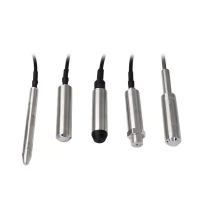
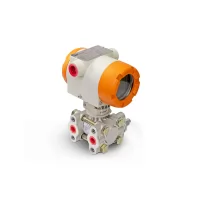
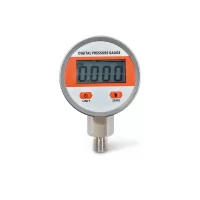
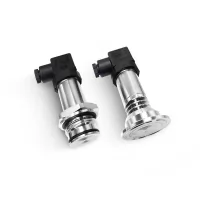
Process Line Transmitters: Professional Pressure and Level Measurement Solutions for Industrial Automation
From: Issued date 2026.03.04 Back
1. Introduction
In modern industrial automation systems, accurate and reliable measurement of process parameters is essential for ensuring safety, efficiency, and product quality. Among the most critical parameters are pressure and level, which directly affect system stability, energy consumption, and operational control. Process line transmitters, particularly pressure transmitters and level transmitters, play a fundamental role in converting physical process variables into standardized signals that can be transmitted, monitored, and controlled remotely.
With the rapid development of digital control systems, Industrial Internet of Things (IIoT), and smart factories, transmitters have evolved from simple signal conversion devices into intelligent field instruments. This article provides a comprehensive technical overview of pressure and level transmitters, their working principles, signal transmission methods, application scenarios, and professional solutions for industrial process lines.
2. Role of Process Line Transmitters in Industrial Systems
Process line transmitters are field instruments installed directly on pipelines, tanks, reactors, or vessels to continuously monitor process variables. Their core function is to:
Sense a physical quantity (pressure or liquid level)
Convert it into a standardized signal
Transmit the signal to control systems such as PLCs, DCS, or SCADA
By enabling real-time monitoring and closed-loop control, transmitters help operators maintain optimal operating conditions, reduce manual intervention, and prevent accidents caused by abnormal pressure or level conditions.
3. Pressure Transmitters: Principle and Signal Conversion
3.1 Definition and Function
A pressure transmitter is a device that measures the pressure of gases or liquids and converts the measured value into a pneumatic or electrical output signal. These output signals can be transmitted over long distances to control rooms or monitoring systems, enabling centralized process management.
Pressure transmitters are widely used in both open-loop monitoring and closed-loop control systems, serving as the primary sensing element in many industrial processes.
3.2 Electrical Signal Pressure Transmitters
Electrical pressure transmitters are the most commonly used type in modern automation systems. Their working process typically includes the following steps:
Pressure Sensing
The process pressure acts on a sensing element (such as a piezoresistive, capacitive, or strain-based sensor), generating a corresponding analog signal.Analog Signal Processing
The physical pressure is first converted into an analog electrical signal, usually a small voltage or current.Analog-to-Digital Conversion (ADC)
The analog signal is then converted into a digital signal through an A/D converter, enabling digital processing, compensation, and filtering.Signal Output
The processed signal is output as a standardized electrical signal, such as:4–20 mA current loop
0–10 V voltage signal
Digital communication protocols (HART, Modbus, Profibus)
In this process, physical quantities are effectively encoded into electrical signals that accurately represent the original pressure values.
Advantages of electrical pressure transmitters include:
High measurement accuracy and resolution
Strong anti-interference capability (especially 4–20 mA loops)
Easy integration with digital control systems
Long-distance transmission without significant signal loss
As a result, electrical pressure transmitters are the preferred choice in most industrial automation applications.
3.3 Pneumatic Signal Pressure Transmitters
Pneumatic pressure transmitters use dry and clean compressed air as their energy source. They convert process pressure into a standardized pneumatic output signal, typically in the range of 0.02–0.1 MPa (20–100 kPa).
The output pneumatic signal is transmitted through air lines to controllers, actuators, or indicators, enabling control and remote transmission without electrical power.
Key characteristics of pneumatic transmitters include:
No electrical components required
Intrinsic safety in hazardous or explosive environments
Strong resistance to electromagnetic interference
However, pneumatic transmitters also have certain limitations:
Lower accuracy compared to electrical transmitters
Slower response time
Higher maintenance requirements due to air quality dependency
Because of these characteristics, pneumatic pressure transmitters are typically used in special applications, such as environments with strong electromagnetic interference or where electrical equipment is restricted.
4. Application Areas of Pressure Transmitters
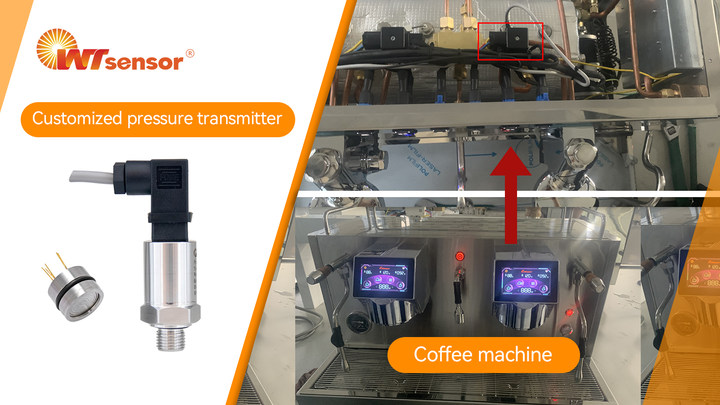
Pressure transmitters are indispensable across a wide range of industries, including:
Water conservancy and hydropower systems
Railway transportation and braking systems
Intelligent building automation
Industrial production and manufacturing automation
Aerospace and military systems
Petrochemical and oil & gas industries
Oil well pressure monitoring
Power generation and distribution
Shipbuilding and marine engineering
Machine tools and hydraulic systems
Pipeline and process equipment monitoring
Their versatility and reliability make them one of the most widely deployed field instruments in industrial environments.
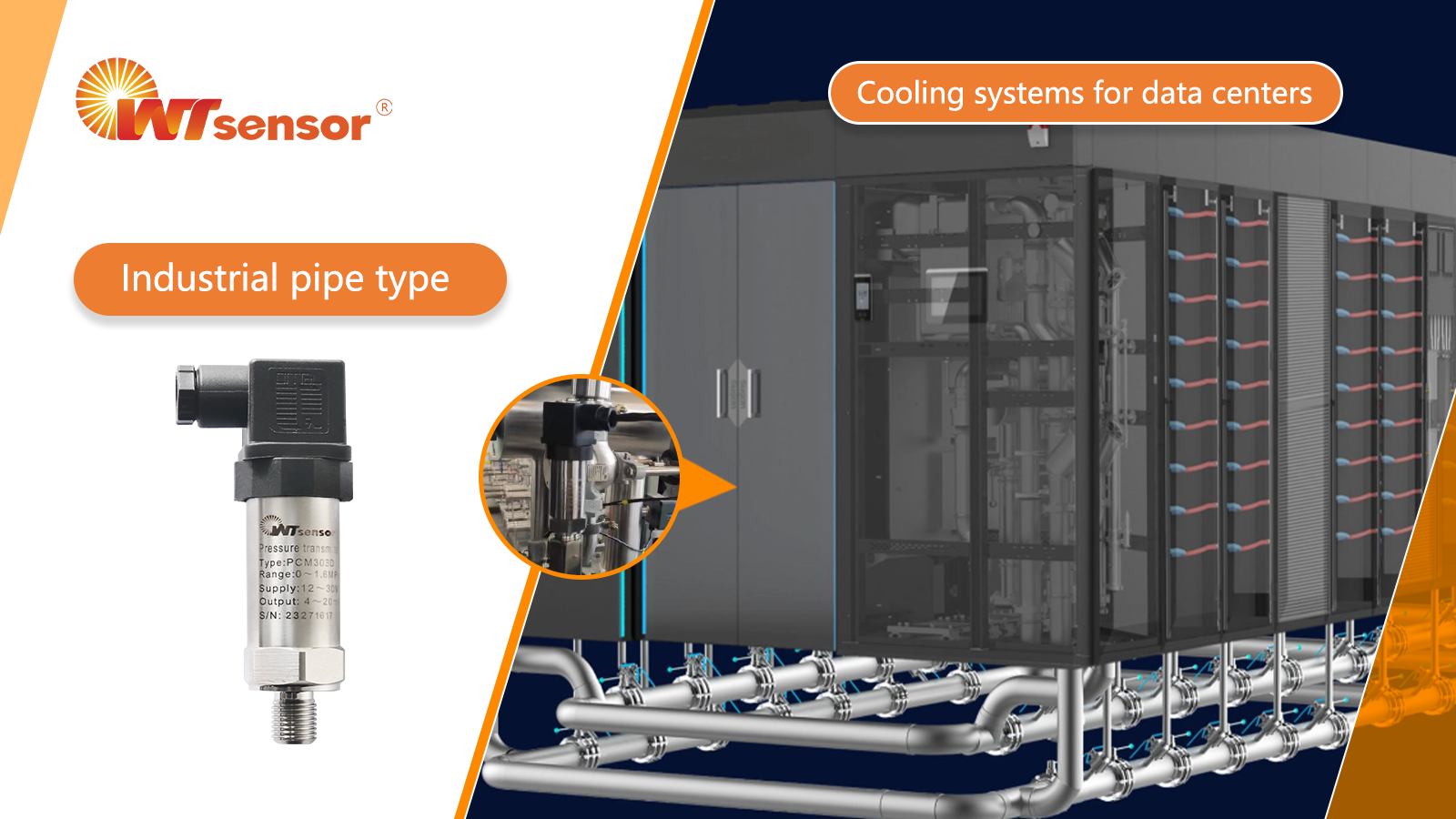
5. Level Transmitters: Extension of Pressure Measurement
5.1 Relationship Between Pressure and Level Measurement
Level transmitters are essentially an extension of pressure transmitter technology. While pressure transmitters measure the pressure exerted by a medium, level transmitters use hydrostatic pressure principles to determine the height of a liquid column.
According to physical laws, the pressure exerted by a liquid is linearly related to:
Liquid density (specific gravity)
Height of the liquid column
By measuring the pressure at a specific depth, the level transmitter can accurately calculate the liquid level, volume, or even weight.
5.2 Working Principle of Level Transmitters
The basic operating principle of a level transmitter includes:
The liquid exerts hydrostatic pressure on the sensor diaphragm.
The pressure value increases proportionally with liquid height.
The pressure signal is converted into an electrical output.
The output signal is scaled to represent liquid level.
This linear relationship enables level transmitters to provide stable and accurate level measurements for a wide range of fluids, including water, oils, chemicals, and viscous pastes.
6. Industrial Applications of Level Transmitters
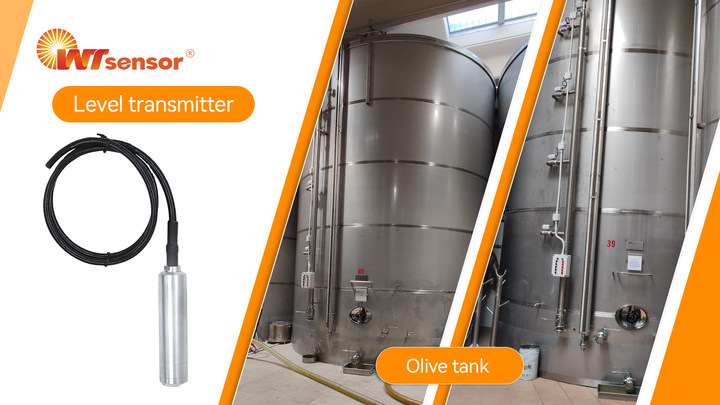
Level transmitters are critical instruments in industries that require continuous or high-precision level measurement, such as:
Petrochemical processing
Metallurgical industries
Pharmaceutical production
Water supply and drainage systems
Industrial and municipal water treatment
Food and beverage processing
In recent years, wastewater treatment has become one of the fastest-growing application areas. With increasing environmental regulations and industrial wastewater discharge standards, accurate level measurement is essential for:
Pump control
Tank overflow prevention
Chemical dosing optimization
Process safety and compliance
Level transmitters provide reliable performance in both clean water and harsh industrial wastewater environments.
7. Professional Solutions for Process Line Measurement
To achieve optimal performance in pressure and level measurement, a professional solution should consider the following factors:
7.1 Accuracy and Stability
High-accuracy transmitters with long-term stability reduce calibration frequency and maintenance costs, improving overall system reliability.
7.2 Signal Type Selection
Electrical signals for high-precision and digital systems
Pneumatic signals for EMI-free or explosion-proof environments
Choosing the appropriate signal type ensures compatibility with existing control infrastructure.
7.3 Environmental Adaptability
Transmitters must withstand:
Temperature fluctuations
Corrosive media
Vibration and mechanical stress
Proper material selection and sealing technology are essential.
7.4 Integration with Automation Systems
Modern transmitters should support standard communication protocols and provide diagnostic information for predictive maintenance and smart factory applications.
8. Future Development Trends
As industrial automation advances, pressure and level transmitters are evolving toward:
Higher intelligence and digitalization
Integration with IIoT platforms
Self-diagnosis and remote calibration
Improved accuracy and lower power consumption
These advancements enable more efficient process control, reduced downtime, and enhanced operational safety.