 Pусский

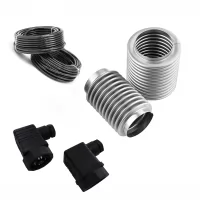
Water Hammer Effect in Pressure Measurement: The Silent Killer in Pipelines
From: Issued date 2026.01.14 Back
I. Introduction
Sensor damage is a frequent issue in liquid pressure measurement. Even when the internal pipeline pressure is not particularly high, pressure sensors can still suffer overload damage. Investigations often reveal that the water hammer effect is the primary cause. Today, let’s delve into this phenomenon.
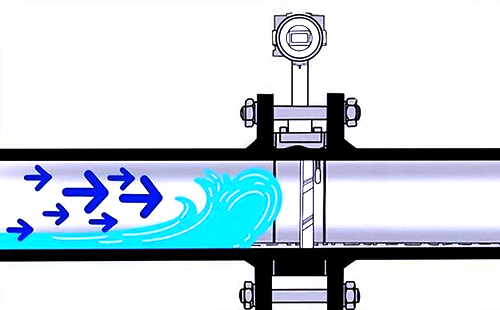
You may have experienced it: when a faucet is suddenly closed, the pipe emits loud "banging" noises, and the entire pipeline may even vibrate. While this seems commonplace, it can conceal a significant hazard—the water hammer effect, also known as hydraulic shock. In mild cases, it damages piping equipment; in severe cases, it can trigger explosions.
II. What Is the Water Hammer Effect?
Water hammer is a phenomenon in fluid dynamics where a sudden change in flow velocity or direction causes intense pressure fluctuations. The resulting pressure waves travel back and forth within the pipeline at nearly the speed of sound, generating extreme impact forces—like an "iron hammer" striking the piping system—hence the term "water hammer effect."
III. Calculating Water Hammer Pressure
The Physical Nature of Water Hammer: A "Violent Conversion" of Momentum Conservation.
Water is nearly incompressible. When flowing water is abruptly stopped, its kinetic energy must transform into another form. In a confined environment—such as a pipeline—a sharp pressure rise becomes its only outlet.
According to the formula Pwh = 0.07 · V · L / t + Pi, shorter closing times lead to greater pressure increases.
Where:
Flow velocity (V): Higher velocity means greater momentum.
Pipe length (L): Longer pipes imply more fluid involved in the impact.
Closing time (t): Shorter times result in more dramatic pressure surges.
Initial pressure (Pi): The system's existing pressure adds to the water hammer pressure.
Example: In a factory, a pipeline is 500ft (152m) long, with a flow velocity of 10 ft/s (3 m/s) and an initial pressure of 80 psi:
If the valve closes in 8 seconds:
Pwh = 0.07 × 10 × 500 / 8 + 80 = 123.75 psi, a 44 psi increase (about 3 standard atmospheres).
If the valve closes in 0.5 seconds:
Pwh = 0.07 × 10 × 500 / 0.5 + 80 = 780 psi, a 700 psi increase (about 47 atmospheres), far exceeding the pressure limits of ordinary PVC pipes (typically rated for 125 psi working pressure, 600 psi burst pressure).
Clearly, rapid valve closure can multiply pressure by nearly 10 times!
IV. Hazards of the Water Hammer Effect
The dangers of water hammer extend beyond daily life to industrial and municipal systems.
1. Risks in Everyday Life
In households, water hammer often manifests as noise or mild vibration. However, in extreme cases, it can loosen pipe joints, damage water heaters, or even cause pipes to burst. For instance, a 100 ft (≈30 m) long, 1-inch (2.54 cm) diameter pipe with a flow velocity of 10 ft/s (3 m/s) could generate over 1,000 psi if the valve is suddenly closed—equivalent to concentrating the weight of an elephant on a palm-sized area!
2. Disaster-Level Cases in Industrial and Municipal Systems
A real-life example: A 12 inch (30 cm) PVC pipe, when rapidly filled by a pump starting abruptly at 25 ft/s (7.6 m/s), experienced a catastrophic failure at the first 90 degree elbow. The sudden directional change of momentum shattered the elbow and destroyed supporting structures along with part of a wall. Similar incidents in large-scale systems like municipal water supply or power plants can be even more devastating—pressure waves in long-distance pipelines can superimpose to reach tens of thousands of psi, enough to tear through steel pipes.
3. The "Double Blow" of Vacuum and Bubbles
Water hammer not only generates high-pressure shocks but can also create vacuum conditions downstream of valves, leading to localized vaporization—known as "column separation." When vapor bubbles collapse back into liquid, the implosion triggers secondary impacts that are equally destructive. This combination of high-pressure explosion + vacuum implosion subjects piping systems to dual assault.
V. Real-World Cases
Case 1: The "Silent Bomb" in a Farm Irrigation System
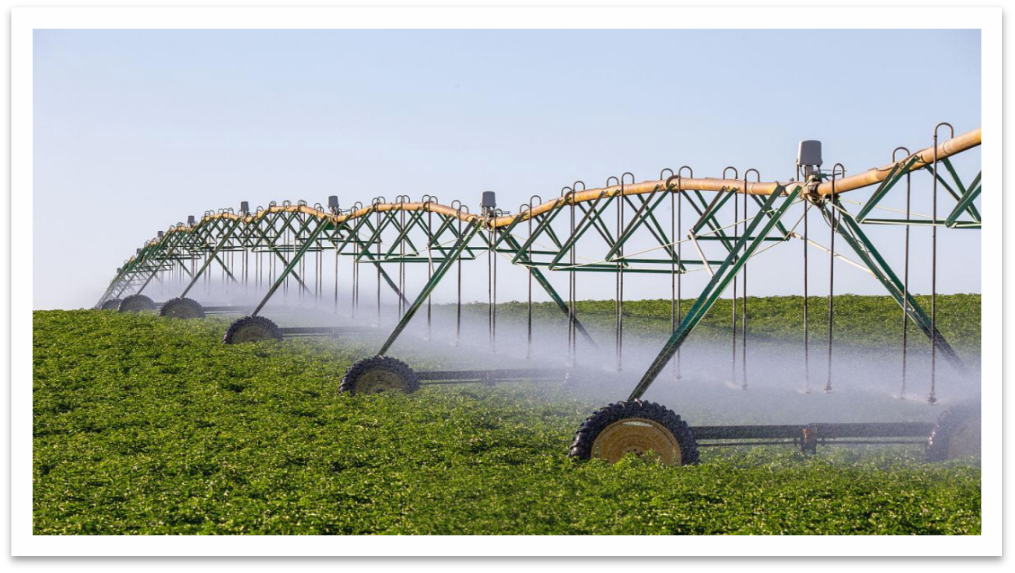
A farm used a 2,000 gallons-per-minute (≈7,570 L/min) pump to fill an empty pipeline. With no initial backpressure in the empty pipe, the sudden momentum change at the first elbow triggered severe water hammer, ultimately causing a pipeline explosion.
Post-accident analysis showed that the empty pipe lacked backpressure balance, with flow velocity reaching 25 ft/s (≈7.6 m/s). The instantaneous impact force on the elbow was as high as 5,000 lbs (≈2,268 kg), shattering the pipe structure and collapsing an adjacent wall.
Case 2: The "Midnight Crisis" in a High-Rise Building
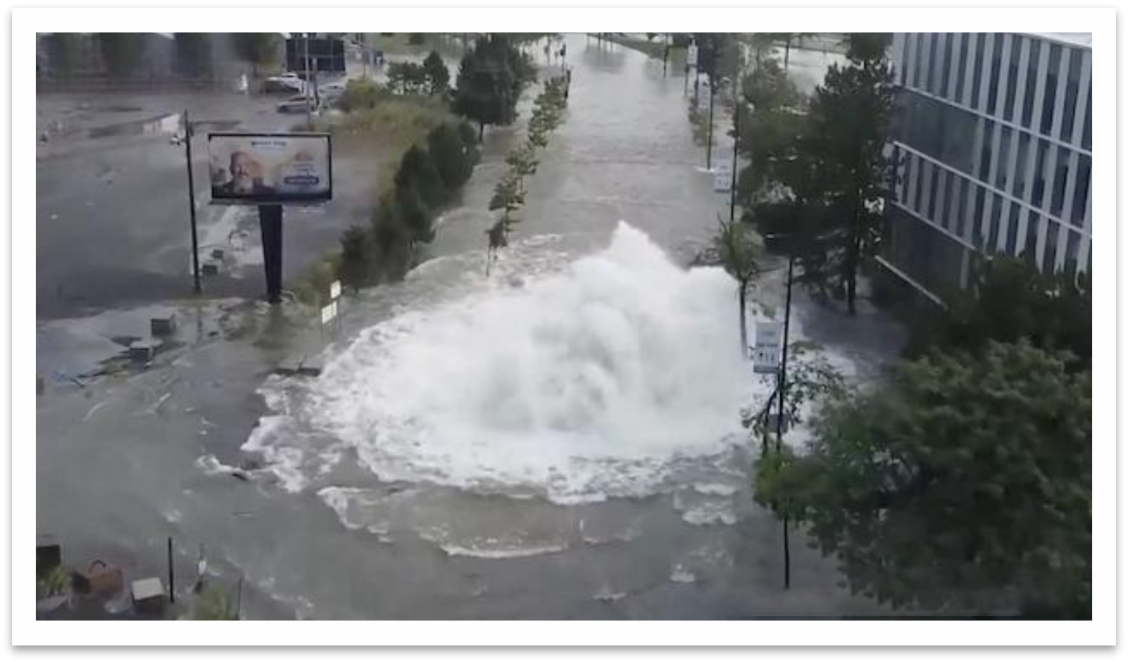
An office building experienced severe water leakage late at night when a supply pipe burst, flooding three floors. Technical investigation identified water hammer from an emergency pump shutdown as the direct cause, with instantaneous pressure peaks exceeding the pipeline’s design limits. The absence of water hammer arrestors or surge tanks in the system allowed uncontrolled pressure impacts, resulting in pipe rupture and millions of dollars in direct losses.
VI. Taming the "Pipeline Beast": Mitigation Methods
1.Design Phase
Control flow velocity: For plastic pipes (e.g., PVC), keep under 5 ft/s (1.5 m/s); for metal pipes, under 10 ft/s.
Increase pipe diameter: Larger diameters reduce flow velocity and momentum buildup.
Avoid long straight pipes: Add elbows or flexible hoses to dissipate impact energy.
2.Equipment Upgrades
Install water hammer arrestors: Air-charged chambers absorb pressure waves.
Use surge tanks or bladder accumulators: Compressed air or elastic diaphragms cushion shocks.
Employ slow-closing valves and variable-frequency drives (VFDs): Extend closing times or enable gradual pump start/stop to prevent sudden flow changes.
3.Operational Maintenance
Eliminate air: Install air vents at pipeline high points to prevent air pockets from exacerbating water hammer.
Pressure regulation: Installing pressure-reducing valves to cap maximum system pressure.
Regular inspections: Replace aging pipes and loose joints promptly.
VII. Conclusion
The water hammer effect is a classic problem in fluid mechanics, reminding us that seemingly gentle water flow can become a deadly weapon once out of control. Whether in household plumbing or industrial design, only by thoroughly understanding its principles and implementing scientific protective measures can tragedies be avoided.
Remember three key words: Slow (operation), Soft (cushioning), Stable (design).

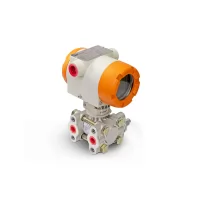
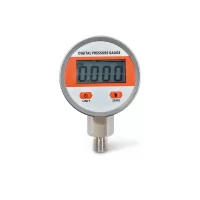
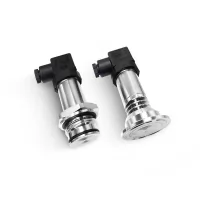
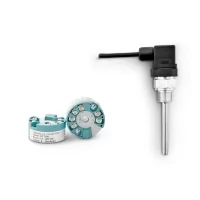
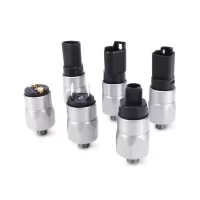
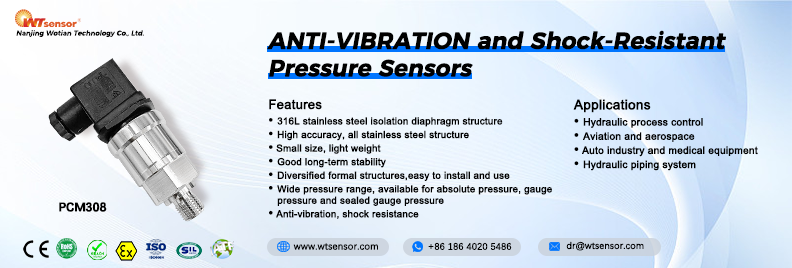
WTsensor Anti-Vibration and Shock-Resistant Pressure Sensors: Product Recommendation
-
Flanged Pressure Transmitters for Industrial Tanks
Read More > -
Industrial Applications of PC10D Differential Pressure Sensor in Venturi and Vortex Flow Meters
Read More > -
Pressure Transmitters in Valve Health Diagnosis Systems
Read More > -
WTSensor Pressure Transmitters for Fire Pump Systems
Read More > -
Pressure Transmitters in Ozone Generators for Stable and Efficient Ozone Production
Read More >