 Pусский
How Piezoresistive Pressure Sensors Are Manufactured
From: Issued date 2026.05.28 Back
Introduction
As industrial automation systems continue to demand higher precision and reliability, the quality of pressure sensors has become increasingly important in applications such as water treatment, HVAC systems, hydraulic equipment, industrial pumps, and process control systems.
Today, industrial customers are no longer focused only on sensor price. They also pay close attention to:
long-term stability,
production consistency,
temperature performance,
and supplier manufacturing capability.
For this reason, modern piezoresistive pressure sensor manufacturing requires far more than basic assembly. It involves precision MEMS production technology, strict process management, automated calibration systems, and comprehensive quality inspection procedures throughout the entire production cycle.
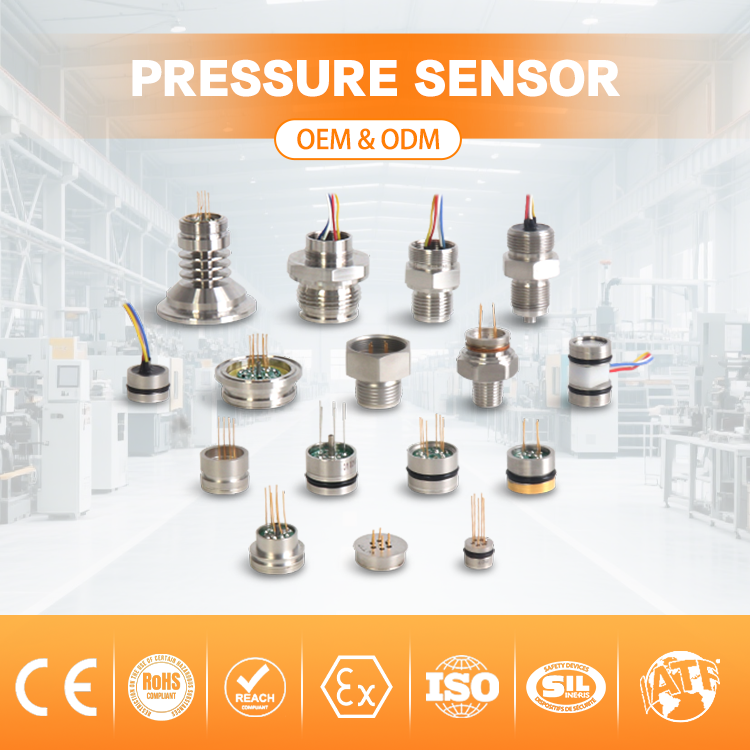
As a manufacturer with more than 20 years of experience in MEMS pressure sensor technology, WTSensor has established a complete industrial chain covering pressure dies, pressure sensors, pressure transmitters, and customized pressure measurement solutions. With complete MEMS production lines and advanced testing systems, the company supports OEM and ODM customers worldwide with stable and reliable pressure sensing products.
This article explains the key manufacturing and quality-control processes behind high-performance piezoresistive pressure sensors and how these procedures help ensure product accuracy, stability, and long service life.
What Is a Piezoresistive Pressure Sensor?
A piezoresistive pressure sensor converts pressure into electrical signals through the piezoresistive effect of silicon sensing elements. When external pressure deforms the diaphragm, the resistance of the sensing bridge changes proportionally, generating measurable electrical output signals.
Due to their:
high sensitivity,
excellent linearity,
compact structure,
and cost efficiency,
piezoresistive pressure sensors are widely used in industrial automation, smart water systems, energy equipment, compressors, hydraulic systems, and pressure transmitters.
To ensure stable performance in harsh industrial environments, every stage of MEMS pressure sensor production must follow strict quality standards and precision manufacturing procedures.
Key Manufacturing Processes in Piezoresistive Pressure Sensor Production
1. Die Bonding and Adhesive Dispensing
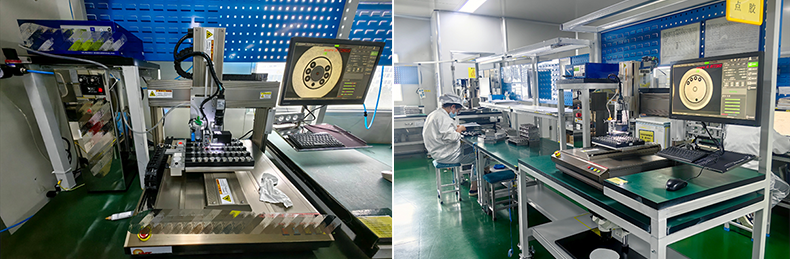
The first critical step in MEMS pressure sensor production is die bonding and adhesive dispensing.
During this process:
the sensing chip is accurately bonded to the metal base,
ceramic pads are fixed onto the substrate,
and sealing structures are prepared for gauge pressure products.
Chip placement accuracy is extremely important because improper positioning can directly affect signal transmission and sensor performance.
Quality Control Measures
Standardized operating procedures are strictly followed.
First-piece inspections are conducted before batch production.
Bonding consistency and adhesive quality are carefully monitored.
Why This Process Matters
Accurate die bonding helps ensure:
sensor stability,
mechanical strength,
sealing reliability,
and long-term operational consistency.
Manufacturers with mature MEMS production capability typically apply strict process verification at this stage to improve batch consistency.
2. Gold Wire Ball Bonding
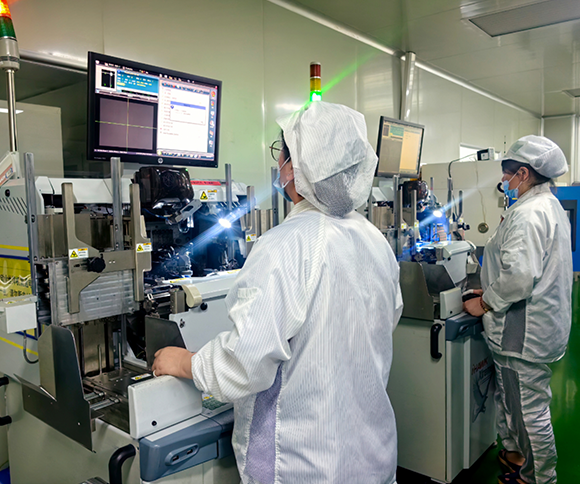
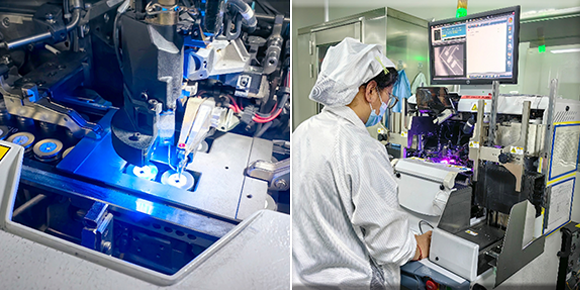
Gold wire bonding is one of the most critical electrical connection processes in pressure sensor manufacturing.
Ultra-fine gold wires connect the sensing chip to the external pins, allowing electrical signals to be transmitted with high stability and low resistance.
Because signal integrity directly affects measurement accuracy, the bonding process requires extremely high precision.
Quality Inspection Methods
Bonding parameters strictly follow process standards.
Daily pull-force tests are performed on bonding wires.
First-piece inspections are conducted before mass production.
Benefits of Gold Wire Bonding
Reliable gold wire bonding improves:
signal stability,
vibration resistance,
electrical reliability,
and product durability.
In large-scale MEMS pressure sensor production, stable wire bonding quality is essential for ensuring long-term sensor performance.
3. Laser Welding of Diaphragm Components
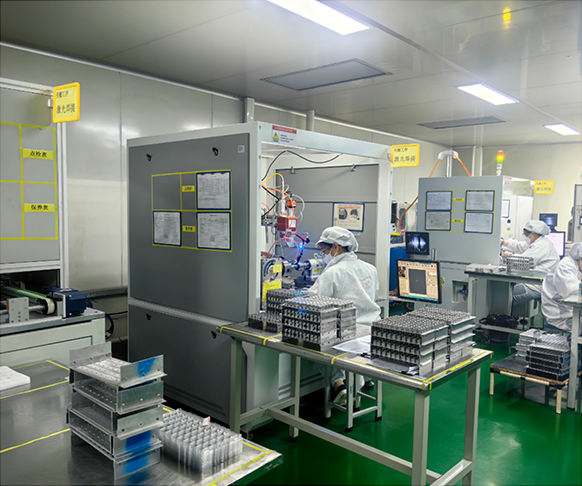
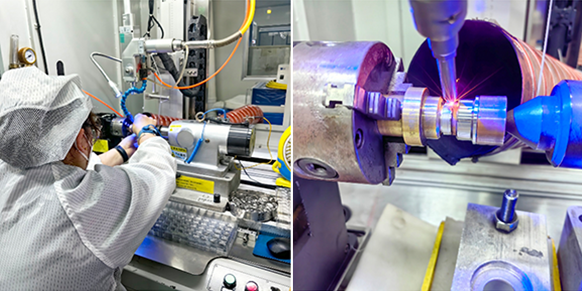
Laser welding technology is widely used in high-quality piezoresistive pressure sensor manufacturing because it offers:
high precision,
strong sealing performance,
minimal thermal deformation,
and excellent structural reliability.
During this process:
the diaphragm,
pressure ring,
and sensor core
are welded together into an integrated pressure-sensing structure.
Quality Control Standards
Welding strength must meet predefined process requirements.
Sealing performance is carefully verified.
Supervisors perform first-piece inspections before production.
Advantages of Laser Welding
Laser welding improves:
pressure resistance,
corrosion resistance,
leakage prevention,
and long-term operational stability.
This process is especially important for industrial applications involving moisture, vibration, or harsh environments.
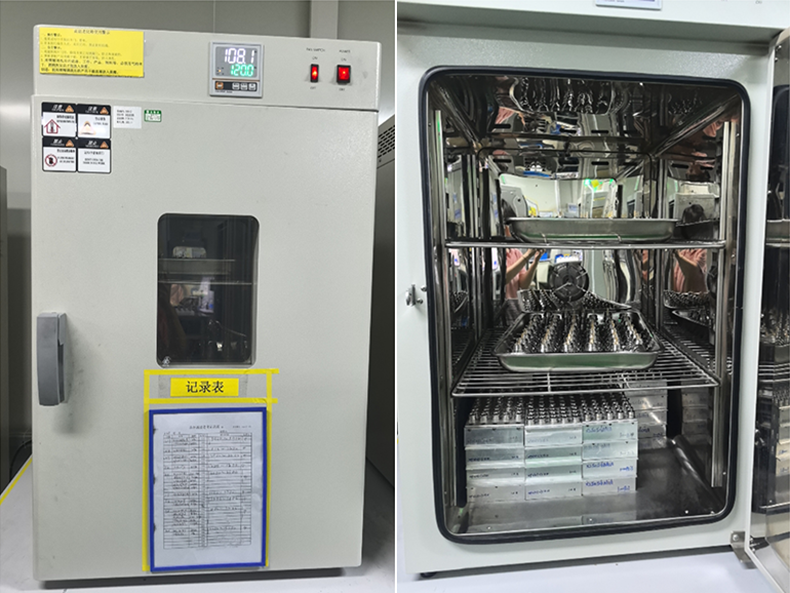
4. High-Temperature Aging Test
After assembly, the sensor enters the high-temperature aging stage.
This process exposes the sensor to elevated temperatures for a controlled period to stabilize material properties and eliminate potential early-stage instability.
Purpose of Aging Tests
High-temperature aging helps:
improve long-term stability,
reduce output drift,
enhance reliability,
and identify hidden defects before shipment.
Why Aging Procedures Are Important
Without proper aging procedures, pressure sensors may experience:
unstable output,
temperature drift,
or premature failure during operation.
Manufacturers with mature quality-control systems typically use strict aging procedures to improve product reliability in industrial environments.
5. Oil Filling and Steel Ball Sealing
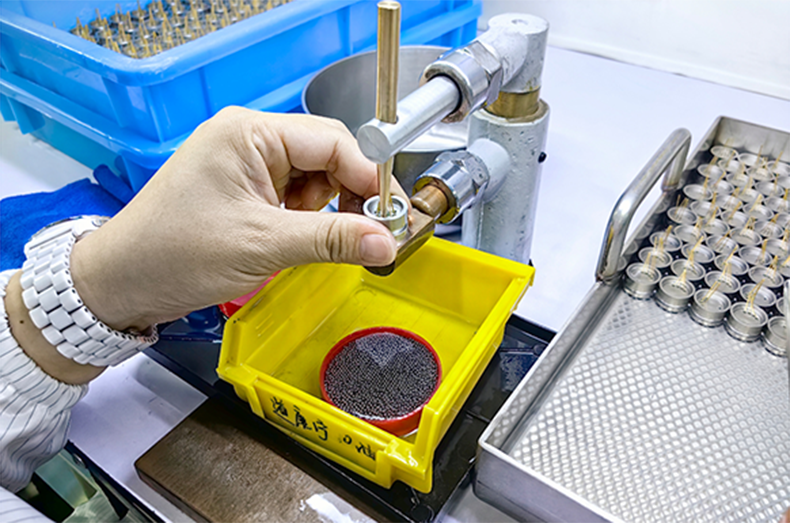
Oil filling is a key process in isolated pressure sensor manufacturing.
During this stage:
filling oil transfers pressure from the diaphragm to the sensing element,
while steel balls seal the oil filling holes.
Process Requirements
Welding energy parameters are strictly controlled.
Daily thrust testing is performed on steel ball sealing structures.
First-piece inspections verify sealing consistency.
Importance of Oil Filling Technology
Proper oil filling improves:
pressure transmission stability,
overload resistance,
sensor sensitivity,
and temperature performance.
Reliable sealing also helps prevent oil leakage and environmental contamination.
6. Laser Marking and Product Traceability
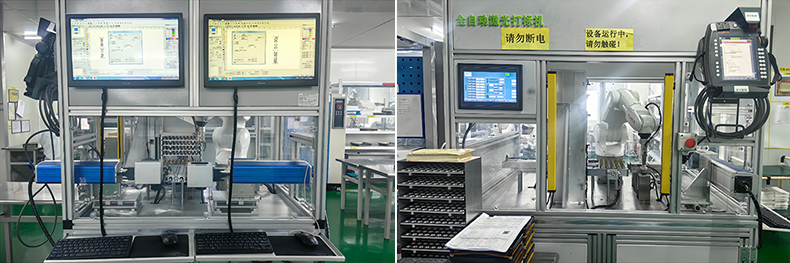
Industrial OEM customers increasingly require complete product traceability.
Laser marking technology provides every sensor with unique identification information for:
production tracking,
quality management,
after-sales support,
and batch traceability.
Inspection Procedures
After marking:
operators inspect marking clarity,
verify information accuracy,
and confirm readability.
Advantages of Product Traceability
This process supports:
quality assurance,
efficient production management,
and long-term customer service.
For OEM and ODM customers, complete traceability systems are important indicators of manufacturing capability and quality reliability.
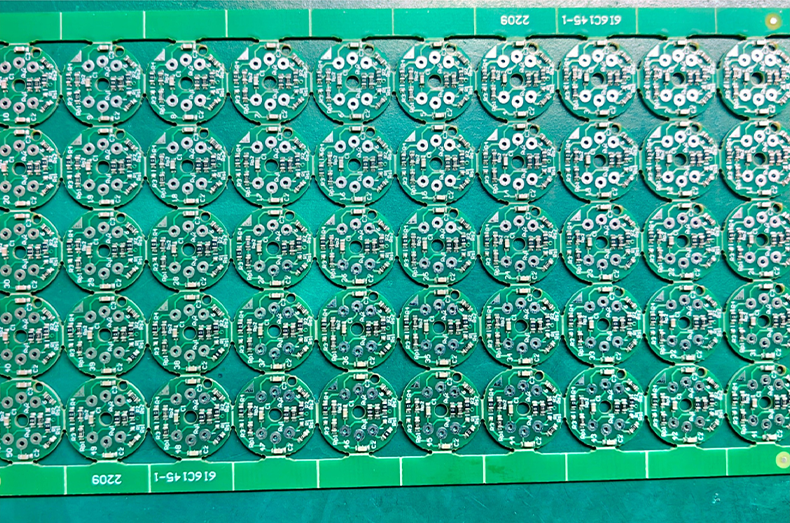
7. SMT Assembly and PCB Soldering
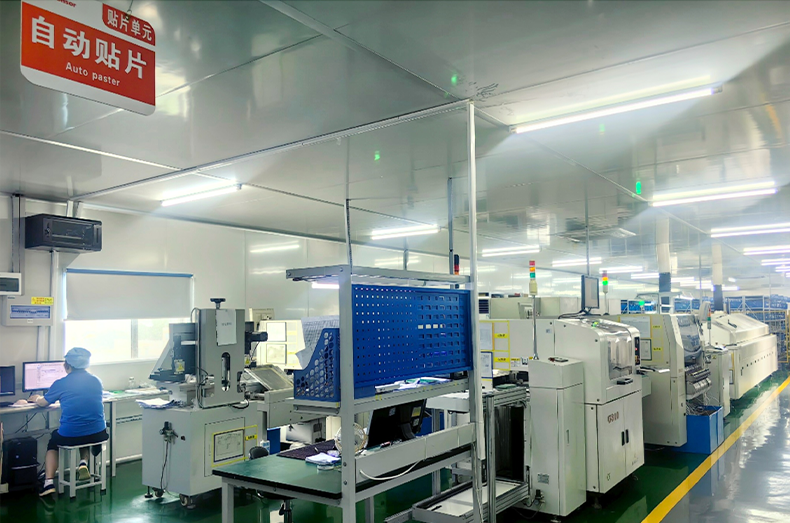
Surface Mount Technology (SMT) is used to assemble electronic components onto the PCB automatically.
Automated SMT placement machines improve:
production efficiency,
assembly consistency,
and soldering accuracy.
After placement, the PCB enters a reflow soldering furnace where components are soldered under controlled temperature conditions.
Quality Inspection
Operators conduct inspections to identify:
missing components,
poor solder joints,
or incorrect placement.
Manual repair procedures are applied if necessary.
Why SMT Assembly Matters
SMT quality directly affects:
signal conditioning,
temperature compensation,
EMC performance,
and output stability.
Modern pressure sensor manufacturers increasingly rely on automated SMT systems to improve product consistency in large-scale production.
8. Pressure Sensor Calibration and Temperature Compensation
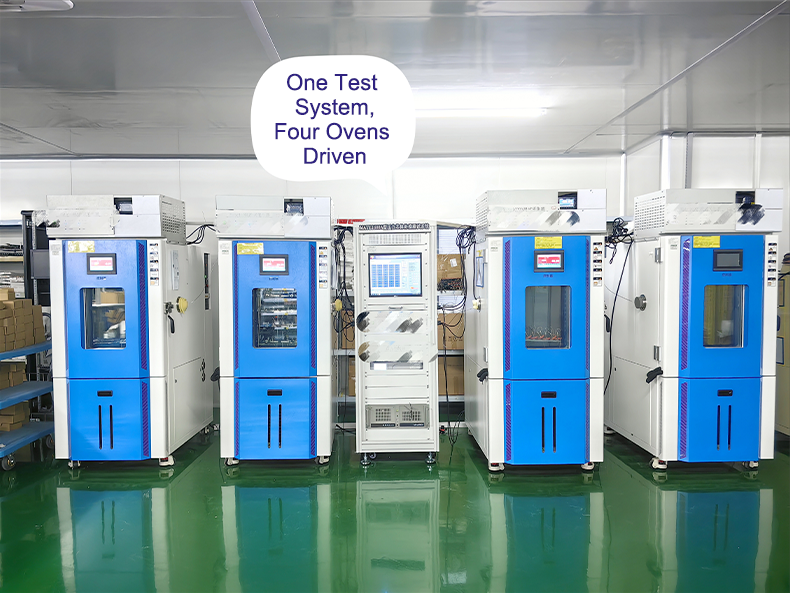
One of the final and most important stages in pressure sensor manufacturing is pressure sensor calibration and temperature compensation.
Automated testing systems perform:
pre-compensation testing,
post-compensation verification,
and full temperature-cycle analysis.
Why Temperature Compensation Is Critical
Temperature changes can significantly influence sensor output accuracy.
Compensation technology minimizes:
zero drift,
span deviation,
and temperature-induced measurement errors.
Quality Screening Procedures
After testing:
sensor data is analyzed according to inspection standards,
qualified products proceed to shipment,
while non-conforming products are removed.
Benefits of Calibration Technology
Accurate pressure sensor calibration ensures:
high measurement precision,
stable sensor performance,
and reliable industrial operation.
At WTSensor, automated calibration and compensation systems are used to improve production consistency and long-term stability for OEM and industrial customers.
9. Compensation Board Soldering
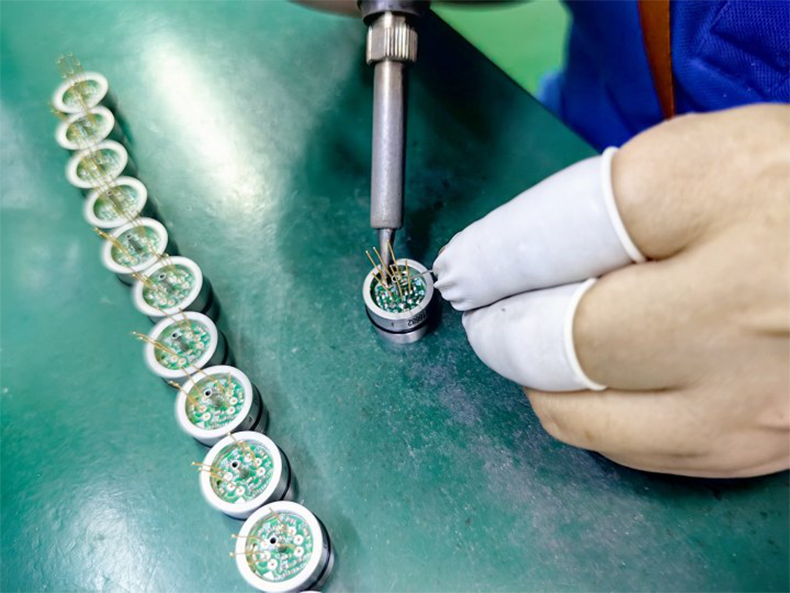
Compensation board soldering is an important process in pressure sensor signal conditioning and output adjustment.
During this stage:
the sensor pins are soldered to the compensation board,
allowing output signals to be corrected and stabilized through electronic compensation.
After soldering, the assembled sensor undergoes electrical testing to verify whether the output performance meets internal quality-control standards.
Quality Control Procedures
Operators follow standardized soldering procedures.
Output signals are tested after board assembly.
First-piece inspections are performed before batch production.
Why Compensation Board Soldering Matters
This process helps improve:
output accuracy,
signal consistency,
temperature compensation performance,
and long-term stability.
For industrial OEM applications, stable signal conditioning is critical for ensuring reliable pressure measurement performance.
10. Lead Wire Soldering
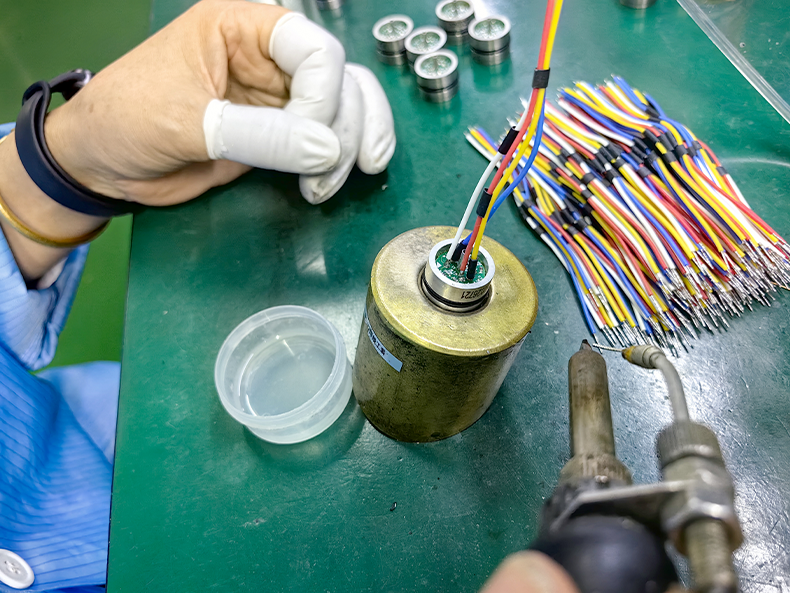
Lead wire soldering is responsible for establishing stable electrical signal transmission between the pressure sensor and external equipment.
During this process:
signal wires are soldered to the sensor pins,
allowing pressure signals to be transmitted through external wiring systems.
Inspection Procedures
Operators conduct self-inspection to verify:
soldering quality,
wire definition accuracy,
and connection reliability.
Production supervisors also perform first-piece inspections to ensure process consistency.
Benefits of Reliable Lead Wire Soldering
High-quality lead wire soldering improves:
signal transmission stability,
vibration resistance,
electrical reliability,
and long-term durability.
This process is particularly important in industrial environments with vibration, humidity, or continuous operation.
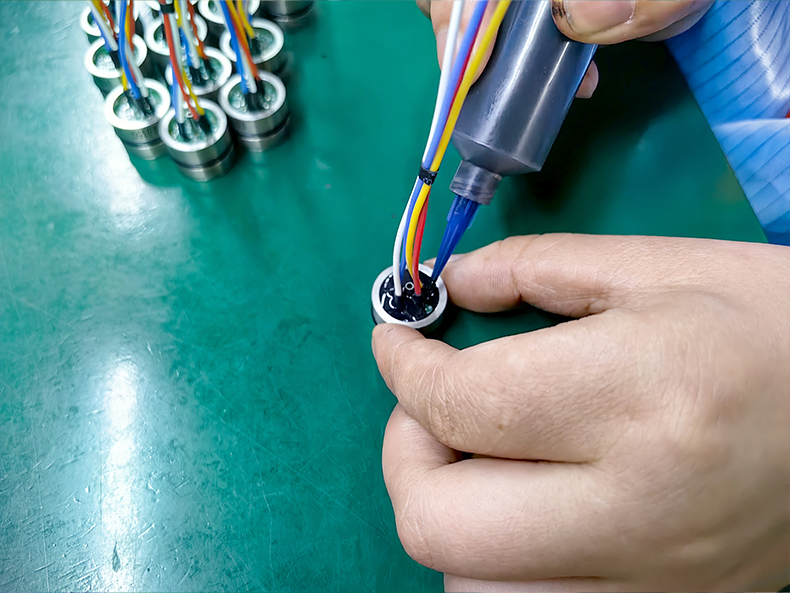
11. Potting and Encapsulation Protection
Potting is one of the key protective processes in industrial pressure sensor manufacturing.
During this stage:
protective adhesive materials are applied to cover and protect
the PCB,
electronic components,
and soldered connections.
The adhesive must be mixed according to strict process ratios to ensure proper curing performance and long-term reliability.
Process Requirements
Adhesive ratios must strictly follow process specifications.
Materials must be uniformly mixed before application.
Expired adhesive materials are prohibited.
Why Potting Technology Is Important
Potting technology improves:
moisture resistance,
vibration protection,
electrical insulation,
and environmental durability.
For industrial pressure sensors operating in harsh environments, proper encapsulation significantly enhances long-term stability and operational reliability.
Advanced MEMS Pressure Sensor Manufacturing Capability
Modern piezoresistive pressure sensor manufacturing requires not only process control but also large-scale production consistency.
Manufacturers with complete MEMS production lines can better ensure:
stable product quality,
reliable delivery,
long-term technical support,
and batch consistency.
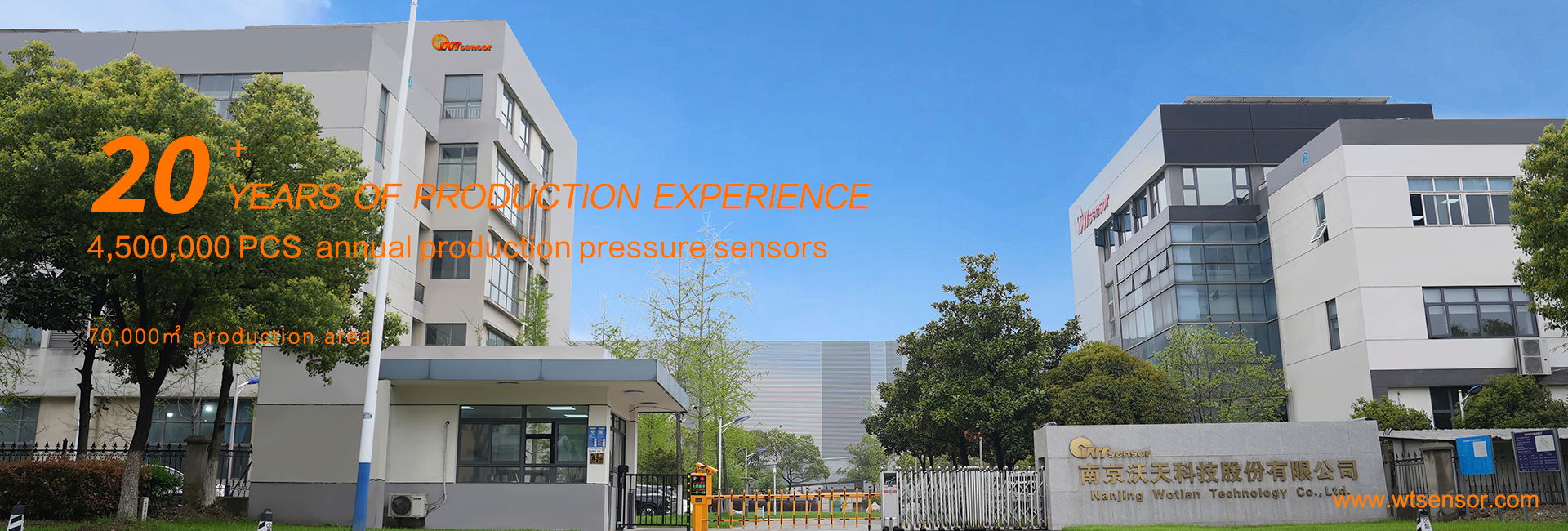
WTSensor operates complete MEMS pressure sensor production lines equipped with more than 1,000 sets of advanced manufacturing and testing equipment. The company’s annual production capacity reaches 4 million pressure sensors, supporting industrial customers in more than 130 countries and regions worldwide.
The company’s R&D team includes more than 60 engineers and holds over 100 patents related to MEMS pressure sensing technology and industrial pressure measurement.
WTSensor products are widely used by industrial customers worldwide and have been supplied to companies such as:
WIKA,
Fortive,
Hitachi,
Hikvision,
Hollysys,
and other global industrial enterprises.
To ensure stable product quality, the company has established comprehensive quality-management systems and obtained certifications including:
ISO9001,
IATF16949,
CE,
RoHS,
REACH,
SIL,
and ATEX.
These manufacturing and quality-control capabilities help provide reliable OEM and ODM pressure sensor solutions for industrial automation applications worldwide.
Why OEM and ODM Customers Focus on Manufacturing Capability
For OEM and ODM customers, manufacturing capability directly affects:
product consistency,
delivery reliability,
after-sales costs,
and brand reputation.
A manufacturer with advanced MEMS production capability and strict quality-control systems can provide:
stable batch quality,
reliable technical support,
and long-term supply stability.
As global industrial markets continue to demand higher reliability and accuracy, manufacturing capability has become one of the most important factors in pressure sensor supplier selection.
Conclusion
High-performance piezoresistive pressure sensors require much more than simple assembly. Behind every reliable sensor is a complete manufacturing and quality-control system involving:
precision die bonding,
gold wire bonding,
laser welding,
aging tests,
oil filling technology,
SMT assembly,
and advanced calibration procedures.
As industrial automation systems continue to demand higher accuracy, stability, and reliability, manufacturers with strong MEMS production capability and mature quality-control systems will remain essential partners for OEM and industrial customers worldwide.
With more than 20 years of industry experience, complete MEMS production lines, advanced testing systems, and global OEM/ODM service capability, WTSensor continues to provide reliable pressure sensing solutions for industrial customers around the world.
FAQ
What is piezoresistive pressure sensor manufacturing?
Piezoresistive pressure sensor manufacturing is the process of producing pressure sensors using silicon piezoresistive sensing technology, including chip bonding, wire bonding, welding, oil filling, calibration, and testing.
Why is temperature compensation important in pressure sensors?
Temperature changes can affect sensor output accuracy. Temperature compensation minimizes drift and improves measurement stability across different operating conditions.
What is the purpose of high-temperature aging tests?
High-temperature aging stabilizes sensor performance, reduces early failures, and improves long-term reliability.
Why is laser welding used in pressure sensor production?
Laser welding provides strong sealing performance, high precision, and improved structural reliability, making it ideal for industrial pressure sensors.
How does pressure sensor calibration improve accuracy?
Calibration adjusts sensor output according to reference standards, ensuring accurate and stable pressure measurements.
Why do OEM customers care about manufacturing capability?
Manufacturing capability directly affects product consistency, quality stability, delivery reliability, and long-term supplier support, which are critical for OEM and industrial applications.
-
Small-Diameter Pressure Sensors: Compact Solutions for Precision Measurement
Read More > -
WTSensor Pressure Transmitters for Fire Pump Systems
Read More > -
Sensors and Transmitters: Industrial Measurement Fundamentals and Pressure Solutions
Read More > - Read More >
- Read More >
-
PC10 Silicon Piezoresistive Pressure Core Solution
Read More >