 Pусский
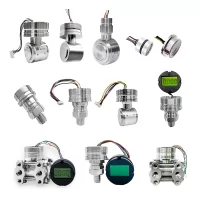
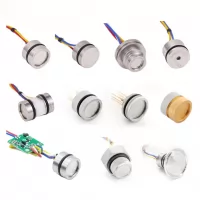
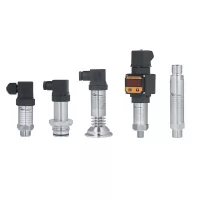
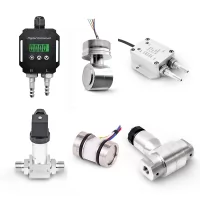
How Flat Diaphragm Pressure Sensors Are Manufactured: Preventing Leakage, Drift, and Calibration Failure Before Shipment
From: Issued date 2026.06.26 Back
A Common Failure That Starts Long Before the Customer Notices
A flat diaphragm pressure sensor rarely fails without warning. Long before a customer notices unstable output, zero drift, or calibration deviation, the root cause is often introduced somewhere during manufacturing.
In our factory, quality investigations frequently trace performance issues back to a small number of critical production processes. A stain left on a welded surface can affect appearance requirements. Insufficient welding strength can compromise sealing integrity. Incorrect steel-ball sealing parameters can increase leakage risks. Inadequate temperature compensation can lead to output drift under changing environmental conditions.
For OEM buyers and industrial users, understanding these manufacturing controls is often more important than reviewing a datasheet. The real question is not what accuracy a sensor can achieve in the laboratory, but how that accuracy is maintained after months or years of operation.
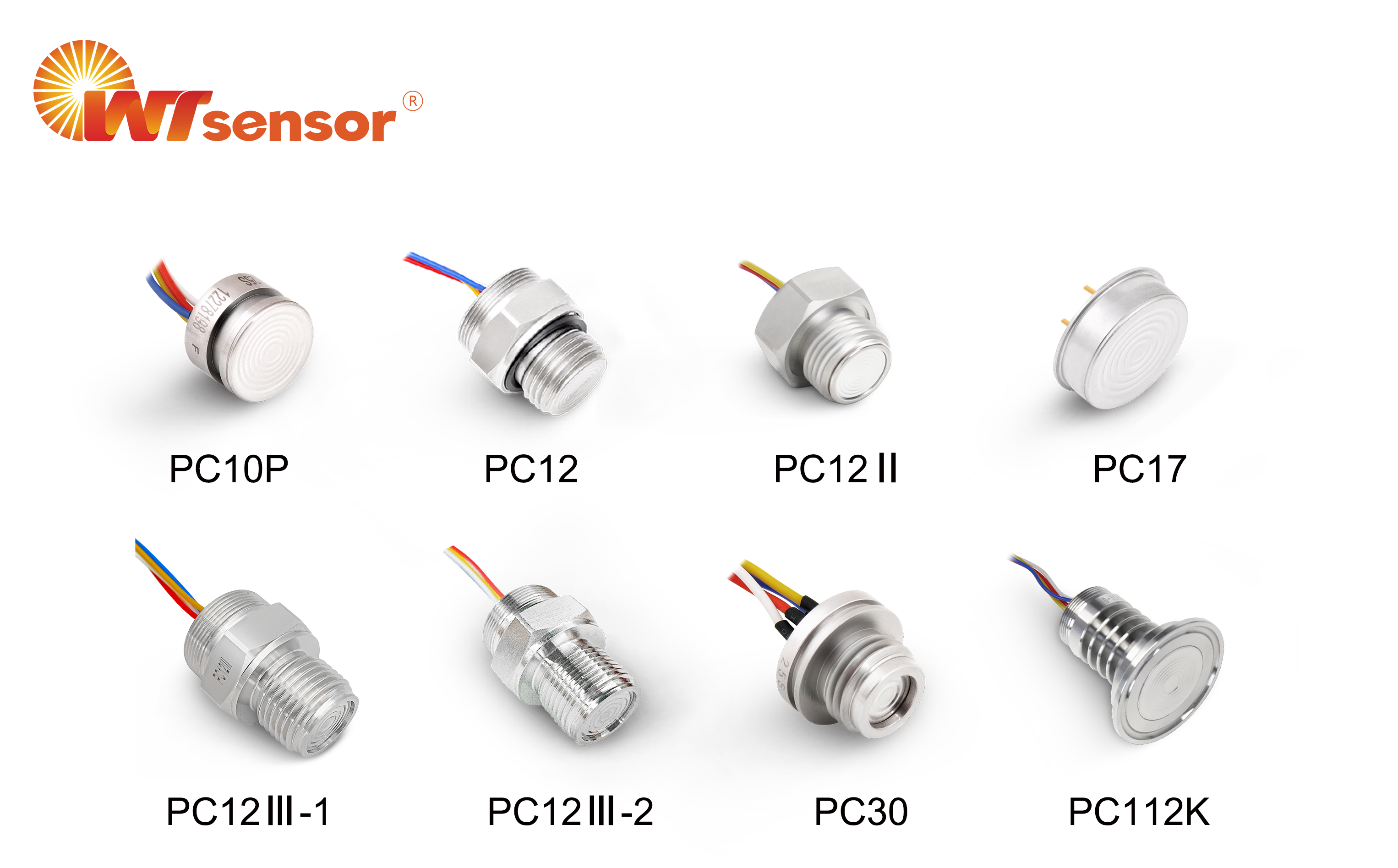
This article explains how we manufacture flat diaphragm pressure sensors and how each quality-control checkpoint is designed to improve product consistency, sealing reliability, output stability, and long-term performance.
What OEM Auditors Usually Examine During a Factory Assessment
When customers audit a pressure sensor manufacturer, they rarely focus only on specifications.
Most engineering and quality teams want answers to practical questions such as:
How is the diaphragm welded and sealed?
How is oil leakage prevented?
How is pressure sensor calibration consistency maintained?
How are defective products screened out?
How are manufacturing records traced?
What quality inspections occur before shipment?
These concerns are reflected directly in our production workflow.
Manufacturing Workflow Overview
Our Flat Diaphragm Pressure Sensor Manufacturing process consists of six primary stages:
Electrolytic Polishing
Laser Welding
Oil Filling and Steel-Ball Sealing
Laser Identification Marking
Compensation Board Welding
Compensation Testing
Each stage contains documented process requirements, inspection activities, and quality-control checkpoints.
Production Flow:
Electrolytic Polishing → Laser Welding → Oil Filling & Steel-Ball Sealing → Laser Identification Marking → Compensation Board Welding → Compensation Testing → Product Screening → Shipment
Critical Quality-Control Point #1: Electrolytic Polishing
Process Requirements
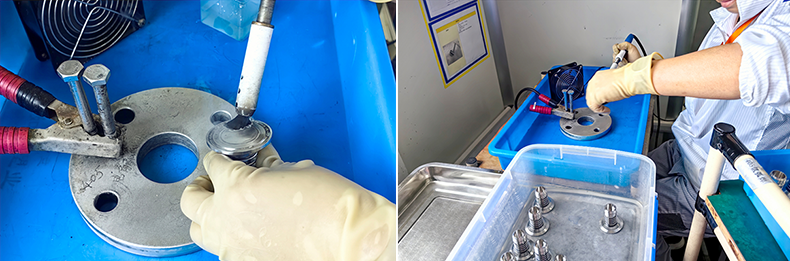
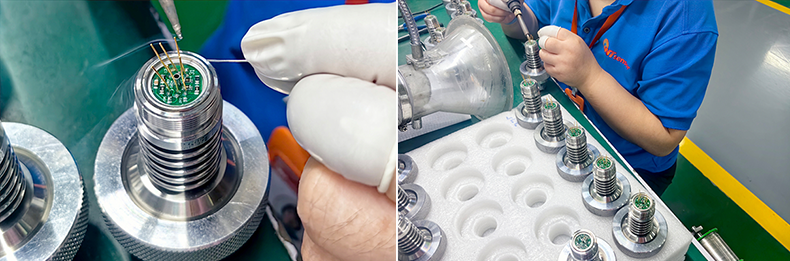
Before products move to the next manufacturing stage, operators use an electrolytic polishing pen dipped in polishing solution to perform electrolytic polishing on stains located on the welded surface.
The purpose of this process is to remove stains from the weld area and make the weld appearance more aesthetically uniform.
After electrolytic polishing is completed, the product must be cleaned promptly using clean water.
Why This Process Matters
Although electrolytic polishing is not a calibration process, it is an important manufacturing step that affects product appearance and process consistency.
For OEM and ODM projects, weld appearance is often reviewed during incoming inspection and supplier qualification audits.
Removing visible stains from the welded area helps ensure that products meet appearance requirements before entering subsequent manufacturing stages.
Inspection Activities
Operators verify:
The electrolytic polishing pen has been dipped in polishing solution before use.
Stains on the welded surface have been removed.
The weld appearance is visually improved and uniform.
The product has been cleaned with water immediately after electrolytic polishing.
Only qualified products proceed to laser welding verification and subsequent manufacturing operations.
Critical Quality-Control Point #2: Laser Welding
Process Requirements
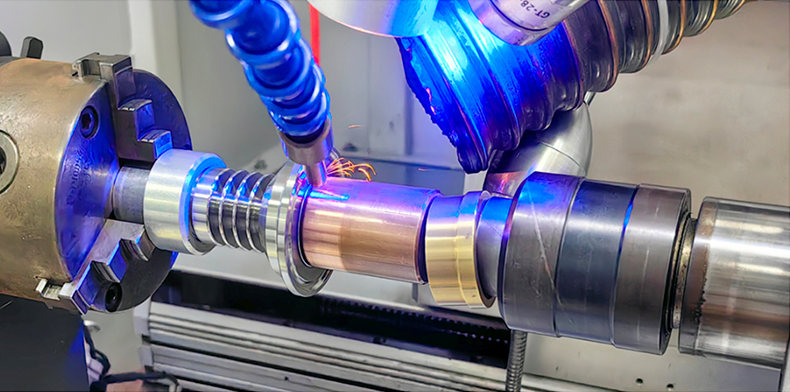
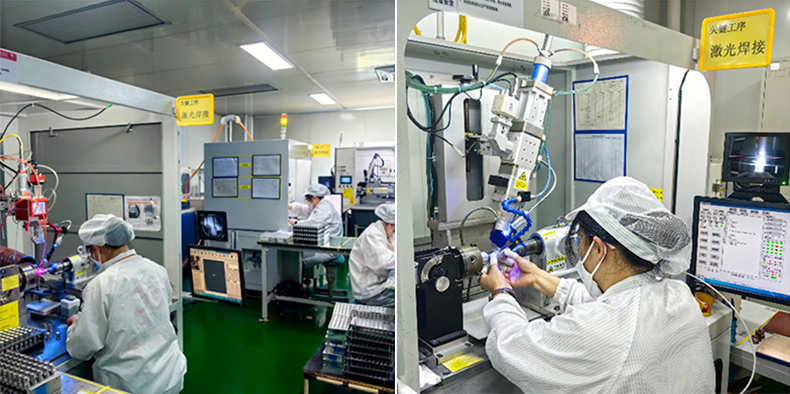
The upper ring, diaphragm, and sensor core are welded together through the laser welding process.
The welding strength must meet specified process requirements, and the welded assembly must maintain complete sealing integrity.
The process team leader performs First Article Inspection (FAI) for this operation.
Why This Process Matters
Laser welding creates the primary pressure boundary of the flat diaphragm pressure sensor.
The diaphragm serves as the interface between the measured medium and the sensing structure.
If welding strength is insufficient or sealing performance is compromised, the sensor may experience:
Seal leakage
Pressure transmission errors
Reduced reliability
Premature field failures
For this reason, welding quality is treated as one of the most critical quality-control processes in pressure sensor core manufacturing.
Inspection Activities
We verify:
Welding strength meets specified requirements.
The upper ring, diaphragm, and sensor core are properly joined.
The welded assembly remains fully sealed.
First Article Inspection is completed by the process team leader.
Batch production proceeds only after the first inspected unit satisfies process requirements.
Critical Quality-Control Point #3: Oil Filling and Steel-Ball Sealing
Process Requirements
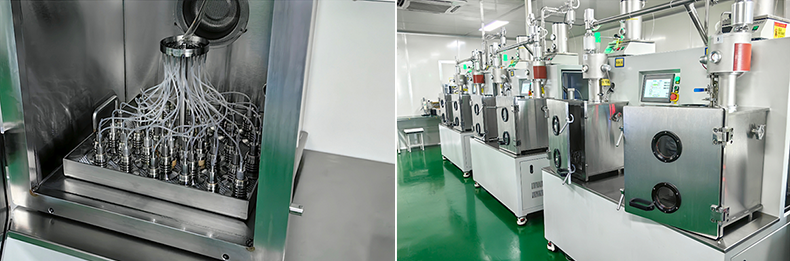
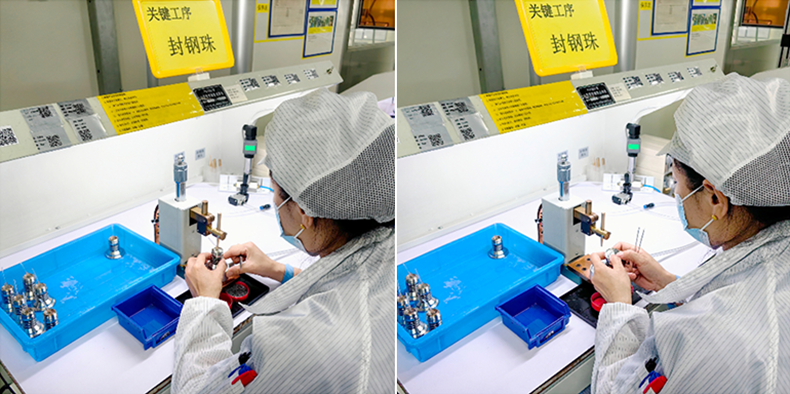
The steel ball and oil-filling hole are welded together during the sealing process.
Operators must select the corresponding steel-ball sealing energy according to the Process Parameter Record Sheet.
Each production team performs daily sealing-column pressure testing.
The process team leader performs First Article Inspection.
Why This Process Matters
Oil filling plays a critical role in diffused silicon pressure sensor manufacturing.
The fill fluid transfers pressure from the diaphragm to the sensing element.
After oil filling is completed, the oil-filling hole must be securely sealed through steel-ball welding.
Any instability during this stage can affect:
Pressure transmission performance
Output stability
Long-term reliability
Leakage resistance
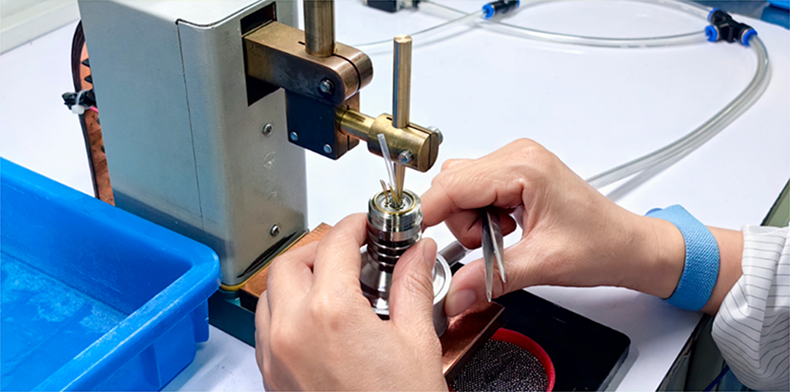
Daily Sealing Verification
Unlike many manufacturing stages that rely on periodic inspection, this process includes daily verification.
Each production team performs sealing-column pressure testing every day.
This daily testing activity helps verify sealing integrity and reduces the possibility of leakage-related failures reaching customers.
Inspection Activities
We verify:
The steel ball and oil-filling hole are welded together correctly.
Steel-ball sealing energy matches the Process Parameter Record Sheet.
Daily sealing-column pressure testing is completed.
First Article Inspection is performed by the process team leader.
Critical Quality-Control Point #4: Laser Identification Marking
Process Requirements
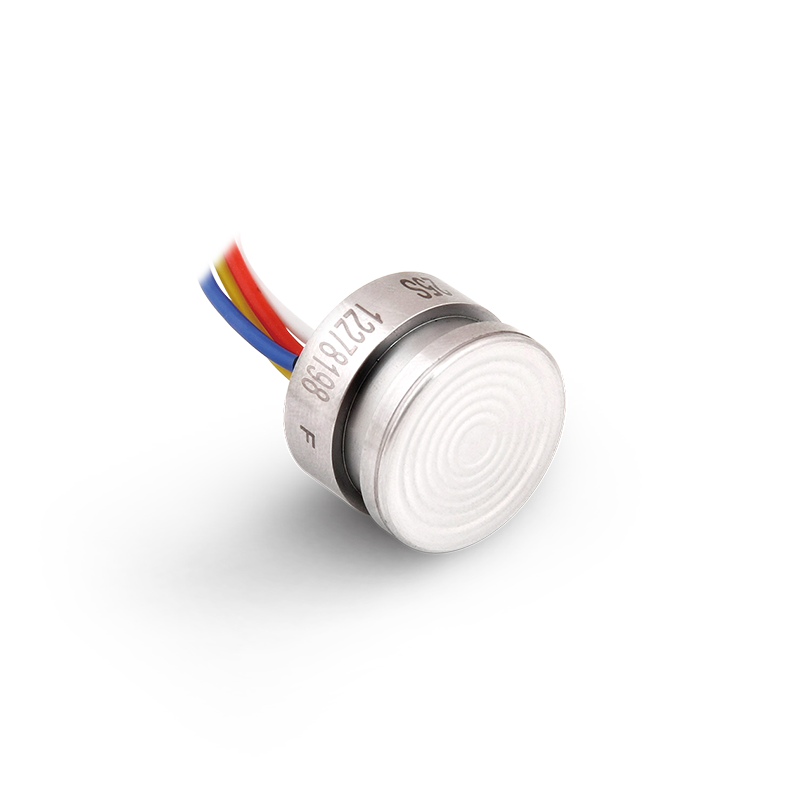
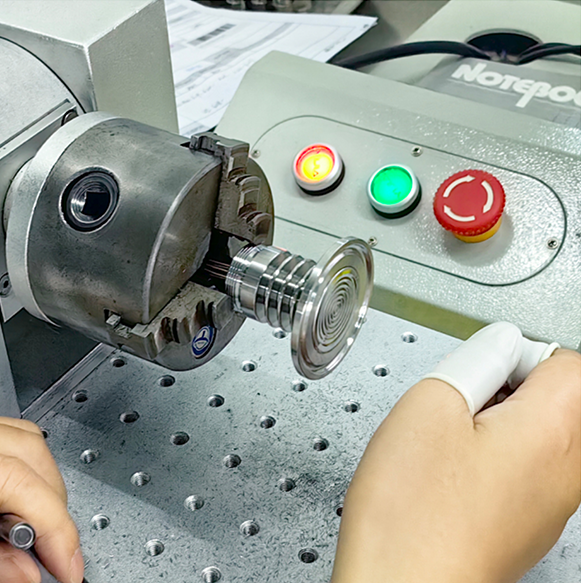
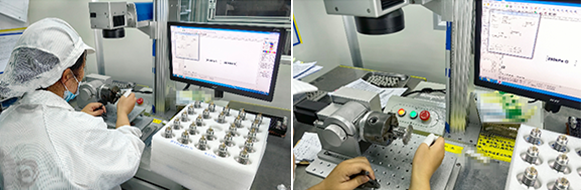
Laser marking is used to create a unique identification code for every product.
After marking is completed, operators perform Self-Inspection of Label Content and Label Clarity.
The process team leader performs First Article Inspection.
Why This Process Matters
Traceability is an essential requirement in OEM pressure sensor manufacturing.
The unique laser-marked identification code allows every sensor to be linked with:
Production records
Inspection records
Calibration records
Manufacturing history
Batch information
This traceability capability supports quality investigations, corrective actions, and customer support activities.
Inspection Activities
Operators perform self-inspection of:
Label content accuracy
Label clarity
Product identification completeness
The process team leader verifies the first marked unit before batch production continues.
Critical Quality-Control Point #5: Compensation Board Welding
Process Requirements
The sensor pins and compensation board are connected using a tin-soldering process.
Through tin soldering, the sensor pins are welded to the compensation board to establish the electrical connection required for signal processing and compensation functions.
After the compensation board is soldered, output testing is performed to determine whether the product meets internal control requirements.
The process team leader performs First Article Inspection (FAI) for this operation.
Why This Process Matters
The tin-soldering process directly affects electrical continuity and output stability.
Poor solder joints may lead to:
Unstable output signals
Increased contact resistance
Calibration deviations
Long-term reliability issues
For this reason, output verification is performed immediately after the compensation board is soldered.
Inspection Activities
We verify:
The sensor pins have been connected to the compensation board through the tin-soldering process.
Solder joints meet workmanship requirements.
Output testing has been completed.
Output meets internal control requirements.
First Article Inspection has been performed by the process team leader.
Products that fail internal control requirements are removed from production flow.
Critical Quality-Control Point #6: Compensation Testing
Process Requirements
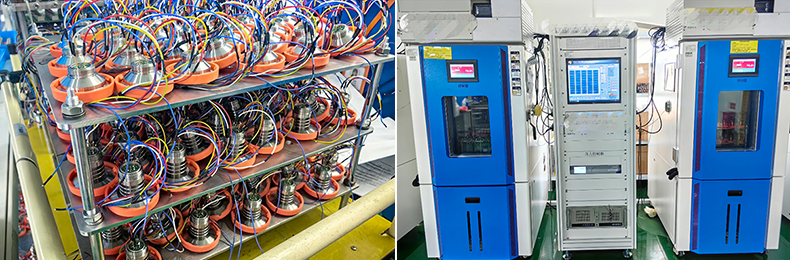
Compensation testing is performed to reduce the influence of temperature on pressure sensor output.
Operators must strictly follow the specified high-temperature and low-temperature testing duration.
After testing data is collected, products are screened according to acceptance standards, and nonconforming products are removed.
Why This Process Matters
Temperature variation is one of the most common causes of pressure sensor measurement error.
Without effective temperature compensation, sensor output may drift when operating conditions change.
Compensation testing helps improve:
Measurement accuracy
Output stability
Repeatability
Long-term reliability
This process is particularly important for industrial environments where sensors experience significant temperature fluctuations.
Inspection Activities
We verify:
Temperature compensation procedures have been completed.
High-temperature testing duration complies with requirements.
Low-temperature testing duration complies with requirements.
Testing data has been collected and reviewed.
Products are screened according to acceptance standards.
Nonconforming products are identified and removed before shipment.
How We Prevent Leakage and Long-Term Drift
Two of the most common field failures in flat diaphragm pressure sensors are leakage and output drift.
Leakage Prevention Measures
We reduce leakage risks through:
Laser welding of the upper ring, diaphragm, and sensor core
Verification of welding strength
Steel-ball sealing
Process Parameter Record Sheet control
Daily sealing-column pressure testing
Drift Prevention Measures
We reduce drift risks through:
Compensation board output verification
Temperature compensation testing
High-temperature testing
Low-temperature testing
Acceptance-standard screening
By controlling these processes, we improve long-term sensor stability before products leave the factory.
Traceability and Production Records
Every sensor receives a unique laser-marked identification code.
This code can be linked to:
Production records
First Article Inspection records
Process data
Compensation-testing records
Quality-screening records
Traceability enables rapid root-cause analysis and supports continuous manufacturing improvement.
What OEM Buyers Should Evaluate Beyond the Datasheet
A datasheet provides performance specifications.
A manufacturing audit reveals how those specifications are achieved.
When evaluating a pressure sensor supplier, OEM and ODM customers should review:
First Article Inspection procedures
Process Parameter Record Sheets
Daily sealing-column pressure testing records
Temperature compensation procedures
Product traceability systems
Nonconforming-product control methods
These controls often have a greater impact on long-term reliability than specifications alone.
Frequently Asked Questions
Why is an electrolytic polishing pen dipped in polishing solution before use?
The polishing solution is required for the electrolytic polishing process to remove stains from the welded surface and improve weld appearance.
Why must products be cleaned with water after electrolytic polishing?
The process document requires prompt water cleaning after electrolytic polishing to remove remaining residues from the surface.
Which components are joined during laser welding?
The upper ring, diaphragm, and sensor core are welded together during this process.
Why is welding strength verified during production?
The welding strength must meet specified requirements to ensure sealing integrity and long-term reliability.
What is the purpose of steel-ball sealing?
Steel-ball sealing closes the oil-filling hole after oil filling and helps maintain sealing performance.
Why is steel-ball sealing energy controlled through the Process Parameter Record Sheet?
The Process Parameter Record Sheet specifies the corresponding sealing energy required for the process.
Why is daily sealing-column pressure testing performed?
Daily testing verifies sealing integrity and helps identify sealing-related issues before products proceed further.
What is checked after laser identification marking?
Operators perform Self-Inspection of Label Content and Label Clarity to verify marking accuracy and readability.
Why is output testing performed after compensation board welding?
Output testing determines whether the product meets internal control requirements before entering compensation testing.
Why must high-temperature and low-temperature testing durations be strictly controlled?
The process requires strict compliance with specified testing durations to ensure valid compensation-testing results.
-
WTSensor Pressure Transmitters for Fire Pump Systems
Read More > -
Pressure Transmitters in Ozone Generators for Stable and Efficient Ozone Production
Read More > -
Dew Point Sensors: Professional Solutions for Industrial Moisture Monitoring
Read More > - Read More >
-
How Piezoresistive Pressure Sensors Are Manufactured
Read More > -
Key Production Processes for Seal Pressure Transmitters
Read More > -
4 Quality Control Processes for Diffused Silicon Level Transmitters
Read More > -
Inside RTD Temperature Sensor Manufacturing Process
Read More >