 Pусский
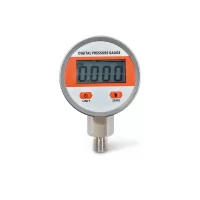
Inside PCM710 Digital Pressure Switch Manufacturing: Assembly & Calibration QC
From: Issued date 2026.08.14 Back
Direct answer: A reliable digital pressure switch is not born at the design table — it is earned on the production line. At Nanjing Wotian Technology, the PCM710 digital pressure switch is produced through a documented two-stage process — front-end assembly and circuit calibration — designed to deliver one thing: consistent, repeatable performance. Here is exactly what happens in each stage, and why these quality checkpoints matter to you as a buyer.
Why Manufacturing Discipline Matters for Pressure Switches
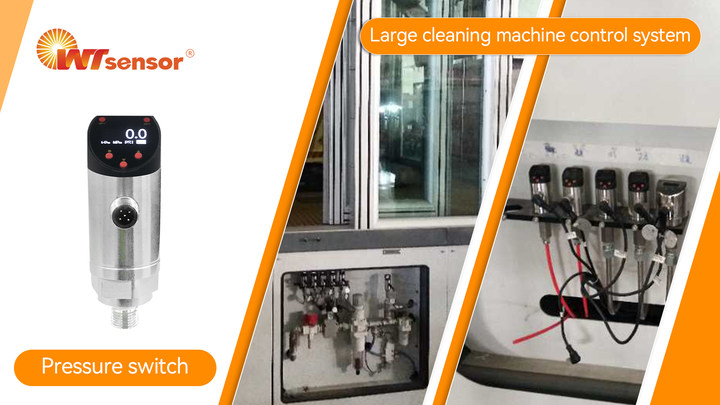
Pressure switches sit inside hydraulic systems, compressors, pumps, and process equipment where a single faulty unit can mean downtime, safety risk, or a damaged reputation for the OEM that fitted it. Unlike consumer electronics, a pressure switch has no "close enough" mode. It must trip at the right point, hold its calibration, and survive years of vibration and temperature swings.
That is why production discipline is not a luxury for us — it is the foundation of every PCM710 unit we ship to customers in Europe, America, and Southeast Asia.
Stage 1: Front-End Assembly
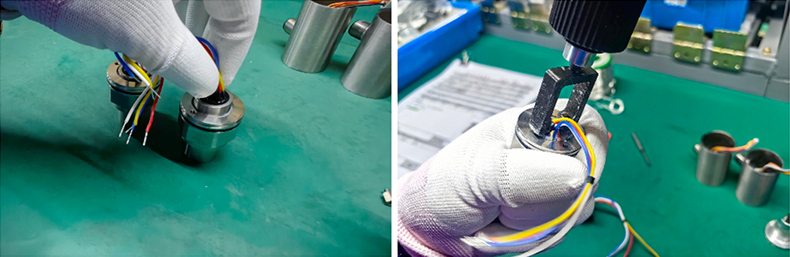
The first stage of PCM710 production is the assembly of the pressure head assembly. According to our production documentation, this assembly consists of five components:
| Component |
|---|
| Pressure sensor |
| Buffer plate |
| Workpiece |
| Pressure ring |
| Amplifier board |
Component functions beyond naming are available from our engineering team on request.
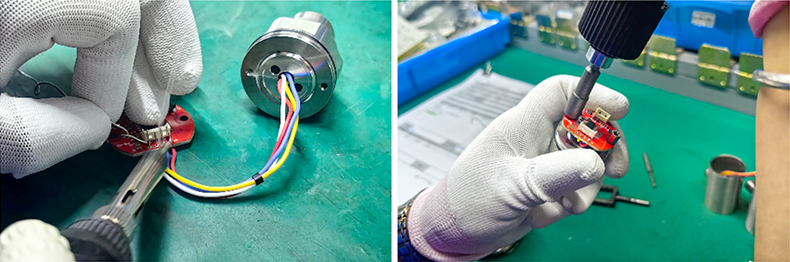
The quality checkpoint: amplifier board & soldering
Assembly is not just about putting parts together. Per our production documentation, this process step requires our operators to verify the amplifier board and the soldering quality.
Why soldering is checked: poor solder joints are a well-known failure point in electronics assembly (general industry knowledge). Inspecting soldering quality at the front-end stage means connection defects are caught before the unit moves further into production.
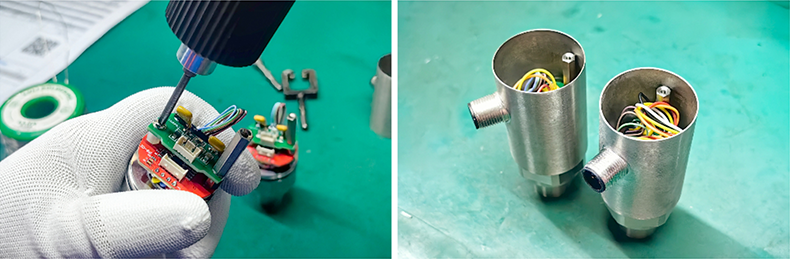
Stage 2: Circuit Calibration & Debugging
Calibration is where the PCM710 is adjusted to meet its specified performance parameters. According to our production documentation, calibration is performed using analog circuits or digital circuits, matched to the performance parameters each product must meet.
The outcome you can rely on: a PCM710 calibrated against the performance parameters you specify — discuss your requirements with our engineering team and they will confirm how your parameters are met.
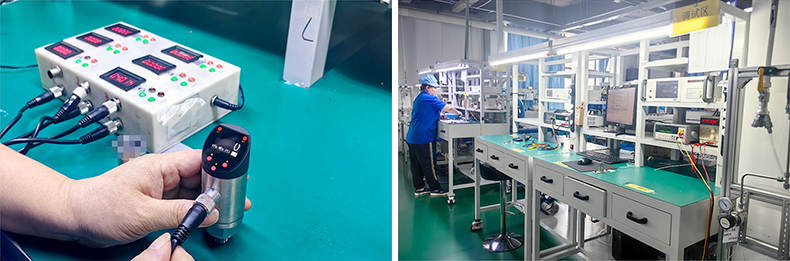
The 5-second rule: data collection after stabilization
Here is a detail from our production documentation: during calibration, we wait for the pressure value to stabilize for 5 seconds before collecting data.
Why this matters: the recorded calibration data is only as good as the pressure reading it is based on. Waiting for the pressure value to stabilize ensures the data we record reflects a stable, settled reading rather than a changing one.
What This Means for You as a Buyer
| Buyer concern | How our documented process addresses it |
|---|---|
| Consistent production procedure | Fixed, documented assembly procedure with operator verification at the amplifier-board/soldering step |
| Calibrated to your parameters | Calibration via analog or digital circuits to meet specified performance parameters |
| Reliable data basis | Calibration data collected only after the pressure value stabilizes (5 s) |
| Custom performance needs | Performance parameters can be specified — calibration is adjusted to meet them |
For real-world application scenarios, read our earlier article: Smart Pressure Monitoring with the PCM710 Intelligent Switch.
Backed by a 20-Year Manufacturing Foundation
These two stages sit inside a factory with:
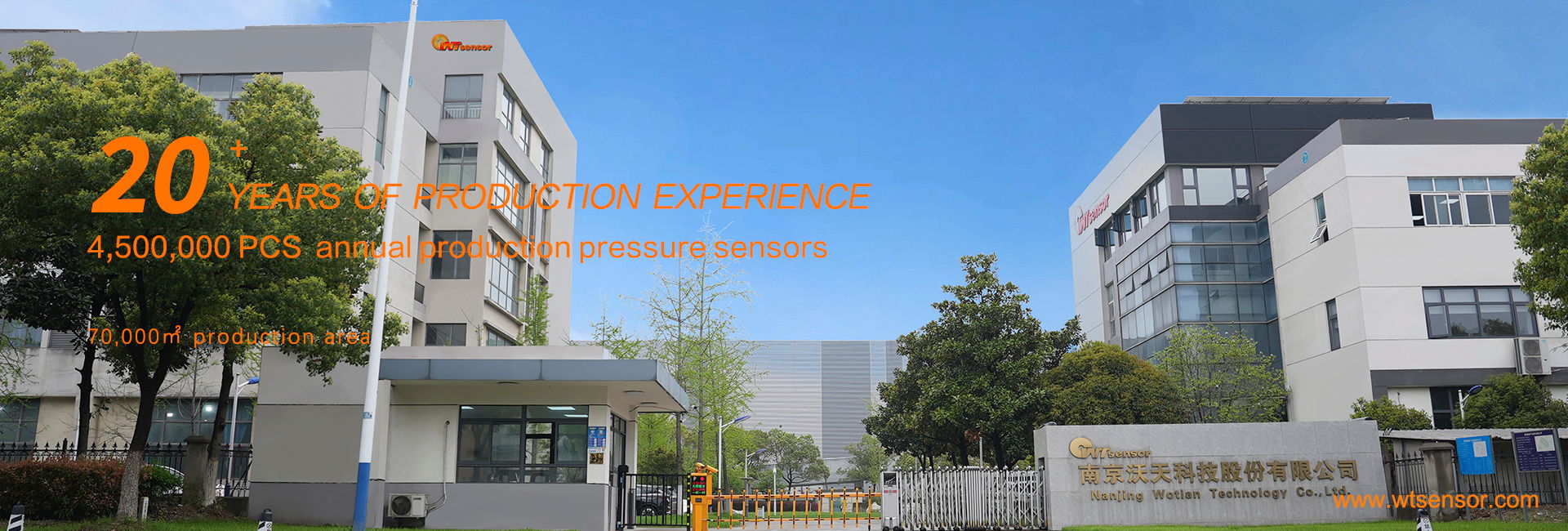
20 years of pressure measurement manufacturing experience
400+ employees and an annual capacity of 4 million pressure sensors
A complete MEMS pressure sensor production line with 1,000+ sets of advanced equipment
Management systems certified to ISO 9001 and IATF 16949
Product certifications including CE, RoHS, REACH, SIL, ATEX, and CMC
Components and solutions trusted by global customers including WIKA, Hikvision, Hollysys, and Fortive
FAQ
Q: How does Wotian ensure consistent production of the PCM710?
A: The PCM710 is produced through a documented two-stage process: front-end assembly (including verification of the amplifier board and soldering quality) and circuit calibration. Consistency is built into the documented procedure.
Q: Can the PCM710 be customized for specific performance parameters?
A: Yes. Customization is our core strength. Calibration is performed using analog or digital circuits to meet the performance parameters you specify — tell us your requirements and our engineering team will confirm how they can be met.
Q: Why does the calibration process wait 5 seconds after the pressure stabilizes?
A: Calibration data is only as reliable as the pressure reading it is based on. Per our production documentation, data is collected after the pressure value stabilizes for 5 seconds, so the recorded data reflects a stable reading.
Q: What quality certifications apply to PCM710 production?
A: Our factory operates ISO 9001 and IATF 16949 management systems, and our products carry CE, RoHS, REACH, SIL, ATEX, and CMC certifications where applicable.
Q: How long has Wotian been manufacturing pressure products?
A: Since 2005 — 20 years of experience in pressure sensors, pressure dies, and pressure transmitters, with an annual capacity of 4 million pressure sensors.
Q: How can I request a quote or samples?
A: Contact our team via the Wotian website (www.wtsensor.com) with your application details and required parameters — we will respond with specifications and pricing.
-
How Piezoresistive Pressure Sensors Are Manufactured
Read More > -
Key Production Processes for Seal Pressure Transmitters
Read More > -
4 Quality Control Processes for Diffused Silicon Level Transmitters
Read More > -
Inside Differential Pressure Sensor Core Manufacturing: From Gold Wire Bonding to Final Protection
Read More > -
How Threaded Pressure Sensor Cores Prevent Leakage Through Controlled Manufacturing
Read More > -
How Welded Pressure Transmitters Prevent Leakage Before Calibration
Read More >